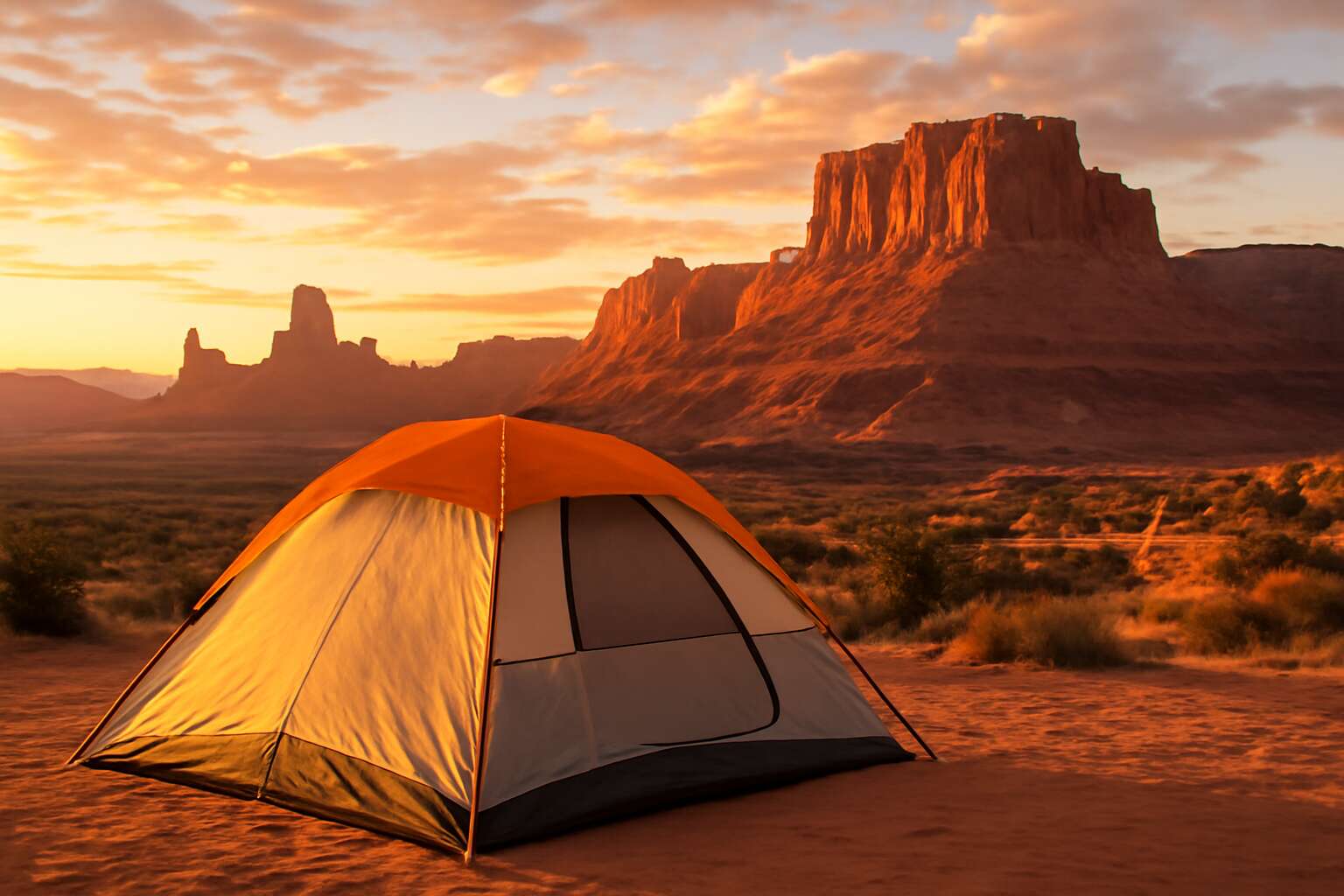
Moab Desert Camping Essentials
Best Gear for Desert Tent Setup
Moab’s night collapses like a velvet curtain, and the desert’s breath measures itself in stars. Winds murmur through red rock canyons, turning a quiet bivouac into rustling fabric and shadow. A lone truth threads the darkness: the desert keeps its own time. In these precincts, gear becomes ritual—a shield against the unknown and a companion to ember-lit skies. For readers across South Africa, Moab’s wilderness feels like a distant theatre of memory.
For tent camping moab, the essentials weave a practical spell—sturdy shelter, wind-ready anchors, a shade canopy, and a sleep system that endures the desert’s swing.
- Sturdy, weather-sealed tent with ventilation
- Reflective guylines and reliable stakes
- Shade canopy and breathable groundsheet
- Efficient lighting and portable power
These elements choreograph a nocturnal ritual worthy of the longest night.
Packing Light for a Moab Trip
Less gear, more room to breathe—that’s the desert truth you feel around a campfire. In packing light for tent camping moab, every item earns its keep: a compact shelter that handles wind, quick-dry layers for chilly predawn, and a water bottle that doubles as purifier. For readers in South Africa, the Moab night is a distant theatre of memory, where wind teaches patience and stars measure the hours.
Choose versatility over novelty: a single multi-use utensil, a compact microfiber towel, and a small power source can cover lighting, charging, and essential comfort without turning your pack into a showroom.
Let the desert teach you to travel with intention—bulk kept low, usefulness high, and gear that travels as lightly as your footsteps across red rock.
Setting Up Camp: Tents and Shelter Basics
Wind is a patient tutor, and in tent camping moab the lesson arrives before dawn—a whisper that tests seams and nerve. A desert breath teaches you to choose sight and silence, to read the skittering light and yield to it.
Site selection matters more than gadgets: clear, level ground, away from rock overhangs that shed cold spray, and a safe distance from animal trails. For South African readers, those desert nights press you to listen; orient the entry away from the wind’s path, and lay a footprint to keep the tent from sand.
From there, the basics guard your rest; the night becomes a quiet theatre where walls, fabric, and air share responsibility.
Where to Camp Around Moab
Campsites Near Arches and Canyonlands
Moab’s red rock stage glows at dusk, and the silence that follows is addictive. tent camping moab puts you at the doorstep of Arches and Canyonlands, where every horizon holds a story waiting to be photographed. “The desert has a voice, and it speaks in color,” a guide likes to say.
Options around Moab range from park campgrounds to BLM spots along the byways. For iconic settings, try these:
- Devils Garden Campground — Arches National Park
- Willow Flat Campground — Canyonlands, Island in the Sky
- Dispersed and private campgrounds along the Moab corridor
From sunrise over sandstone arches to starlit skies after midnight, the experience is raw, intimate, and unmistakably desert. This is tent camping moab at its most honest.
Dispersed Camping Rules in Utah
“The desert has a voice, and it speaks in color,” a guide likes to say. In Moab’s backcountry, that voice lingers after dusk—sandstone glows, wind quiets, and stars claim the sky. It’s an invitation for tent camping moab to reveal its truth.
Dispersed camping in Utah sits on public land outside park borders, managed largely by BLM. Sites rest on durable ground, away from fragile soils, roads, and water sources. Check with the BLM Moab Field Office for restrictions or seasonal closures and practice leave-no-trace.
At night, the desert becomes a canvas for conversation with the land. It’s not just scenery; it’s a political statement—where a small shelter faces vast horizons and the art of listening feels like a quiet rebellion.
Fire and Quiet Hours at Moab Campgrounds
“The desert has a voice, and it speaks in color.” When you camp around Moab, that voice lingers after dusk—sandstone glows, wind quiets, and stars claim the sky. tent camping moab invites a patient listening and a brave stake in the night.
Where to set up: public lands outside park borders, largely managed by the BLM, offer wide horizons and durable ground. You’ll find dispersed sites and campgrounds with fire rings. Check with the BLM Moab Field Office for restrictions or seasonal closures before you settle in.
- Respect fire restrictions; use established rings or portable stoves when allowed
- Observe quiet hours after dusk and before dawn; keep voices down
- Store food securely and pack out all trash
Fire and quiet hours at Moab campgrounds shape the night like a measured breath. For South African explorers, the vastness still feels intimate, and the land keeps its tempo even as your camp glows against the rock.
Best Times and Site Selection
Seasonal Weather in Moab and How It Affects Camping
Moab is a stage for sun and wind, where the desert sky steals the show. Roughly 3,000 sunny hours a year bathe the canyons, turning every dawn into a cinematic opening for tent camping moab. Spring and fall feel like nature’s balcony seats: mild days, cool nights, and star-splashed horizons. Summer bakes the sandstone; winter nights bite with frost, reminding campers to layer and listen to the wind.
I listen to the land when the campsite reveals itself. Higher ground with gentle drainage, wind breaks formed by boulders, and a clear, dark sky for stargazing signal the best places. The land teaches, guiding the eye toward shade and quiet, where the night feels alive. For South African explorers, the desert’s quiet feels like a welcome trail.
- Spring: mild mornings, blooming desert, longer days
- Summer: endless sunsets, heat, dry air
- Autumn/Winter: crisp skies, quiet nights, star-lit skies
Choosing Elevation and Shade for Comfort
Moab offers three thousand sunny hours a year, turning every dawn into a live show for tent camping moab. In this landscape, elevation and drainage win as real comforts. I look for higher ground with gentle slopes that shed rain and keep tents dry after a gusty night. A touch of shade—rock outcroppings, a lone juniper where available, or slickrock shade shadows—can transform a hot afternoon into a cool, inviting nap spot.
Here’s how I pick a site that respects the land and rewards the night.
- Elevation and drainage: pick higher ground with a slow slope that drains away water.
- Wind breaks and shade: use boulders or natural features to shield tents without trapping heat.
- Dark skies: avoid lights and pick a spot with a clear horizon for stargazing.
South African readers will find the desert’s quiet a welcome trail—bright, vast, and personal. I treat it as a partner, not a backdrop, when choosing where to lay out a tent.
Sunrise and Sunset: Finding Scenic Campsites
Moab blushes as sunrise spills over the slickrock—three thousand sunny hours a year turning every dawn into a headline. For tent camping moab, sunrise or sunset is not a garnish; it’s the main act, painted in red rock and patience.
Scout higher ground with a gentle slope and a clear horizon. East-facing nooks wake you with glow; west-facing pockets cradle the day’s last amber. Let the night air keep the tents dry and the stars unblocked.
- Dawn’s first light on sandstone
- Evening shadows that cool the heat
- Stars that stretch like velvet over the horizon
South African readers will sense the desert’s quiet as a welcome partner—bright, vast, personal. The land asks for respect and yields nights that stay with you long after the sun has set.
Booking Tips for Popular Areas
Moab basks in about 3,000 hours of sun each year, and tent camping moab becomes a morning ritual rather than a mere stay. The sweet windows are spring and autumn—cool nights, clear skies, and landscapes that forget you exist until the sun climbs.
Choose site with a gentle slope, clear horizon, and a watchful eye on prevailing winds. East-facing nooks wake you with glow; west-facing pockets cradle the last amber.
- Reserve well in advance during peak months.
- Select sites with sunrise vantage and wind shelter.
- Verify park permits and fire restrictions.
For popular areas, plan early and seek campgrounds that offer unobstructed vistas.
Booking tips for popular areas: consider alternative entries, arrive at dawn to secure a spot, and stay flexible if closures occur. The desert rewards patience with quiet nights that linger long after.
Activities and Nearby Attractions
Accessing Hikes, Biking Routes, and Jeep Trails from Campsites
Desert light gnaws at your doubts, turning fear into focus. A guide once whispered, ‘The desert teaches you to move slowly and listen harder.’ From my snug camp chair, Moab’s red-rock cathedral feels within reach, and access to beloved hikes begins at the campsite gate. You learn to trust the map drawn by sunlit canyons rather than by the clock.
Nearby campsites offer easy access to iconic hikes, braid-your way to slickrock, and jeep trails that spark a heartbeat. The right base makes distances disappear, letting you step into shaded canyons, high mesas, and wide-open horizons without rushing.
- Hikes: Trailheads within a short walk from the site; dawn light perfects photos.
- Biking routes: Slickrock and surrounding mesa loops with nearby bike shops.
- Jeep trails: Local guided or self-guided expeditions starting near camp.
With tent camping moab, the landscape becomes a patient teacher and every morning invites a new question.
Stargazing in the Moab Desert
The Moab sky is a patient teacher, bending time until the stars feel near enough to touch. A desert night sparkles with distant galaxies and the soft whisper of wind through red rock, inviting quiet, deliberate listening—a welcome shift for South African explorers used to wide plains.
From a snug camp chair, the hush becomes a map. For those embracing tent camping moab, the sky becomes a compass—Milky Way fans out, haloed by distant planets, while the terrain keeps pace with your breath.
- Dead Horse Point State Park after dusk
- Canyonlands National Park overlooks
- La Sal Mountains silhouettes at night
Day Trips: National Parks and Monuments Nearby
Moab’s night sky isn’t just scenery; it’s a living map. The desert hush invites longer listening and a slower breath. For those embracing tent camping moab, the stars become compass points and the red rocks a patient, breathing audience.
Nearby day trips to National Parks and Monuments offer a balanced counterpoint to desert silence. Elevate dawn light on arches, trace canyon shadows at noon, then return to the glow of camp. These routes welcome South African travelers seeking grand horizons.
- Arches National Park
- Canyonlands National Park
- Bears Ears National Monument
After a day of sculpted light, the sky returns as your best companion. For those embracing tent camping moab, deep patience and wonder become the habit, where every sunrise feels earned and every starfield feels new.

0 Comments