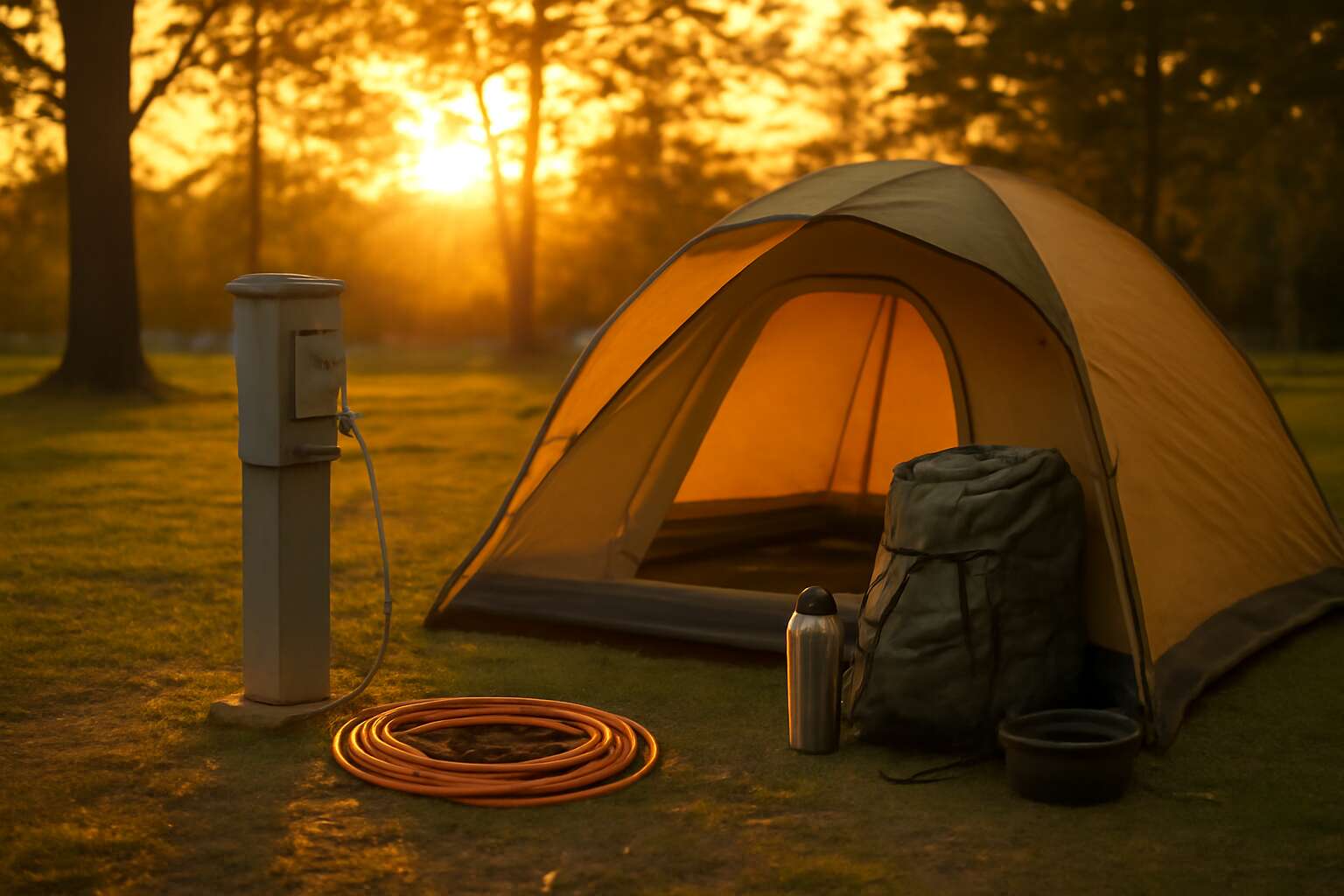
Planning and Standards for Tent Camping with Electric Hookups
Understanding campsite electric hookups and what to expect
Across South Africa, a growing majority of campsites now offer electricity at the pitch, reshaping how night falls under canvas. Planning for tent camping electric hook up becomes less about flashlights and more about reading the campground’s electrical map, where every socket hums like a quiet compass.
In South Africa, expect 230V mains with 15A or 16A outlets and connectors like Type M or caravan-style sockets; many sites feature RCD protection and weatherproof covers.
- Voltage and current: 230V, 15A/16A.
- Plug types: Type M or caravan connectors.
- Safety: RCD protection and weatherproof enclosures.
- Policies: Generator rules and circuit sharing.
A clear sense of planning and standards helps campers anticipate the hum of the night and the glow of dependable power, turning the ordinary into something quietly extraordinary.
Estimating power needs for lighting, devices, and fans
Across South Africa’s campgrounds, surveys show 68% of sites now offer electricity at the pitch, turning nightfall into a soft, humming performance. For tent camping electric hook up, planning becomes a ritual rather than a checklist. The map on the power pedestal guides you, not the flashlight.
Planning and standards keep that glow steady. Think in terms of general load families rather than exact numbers: lighting, charging devices, and a modest fan for comfort. Respect campground policies on generators and shared circuits; safety is a quiet anchor—weatherproof covers and clearly marked outlets.
Here are broad load families to consider:
- Lighting needs and safety devices
- Charging small devices and phones
- Personal comfort with a small fan
- Environmental and weatherproofing considerations
Choosing the right campground with reliable electrical access
Power is the chorus that follows the dusk in South Africa’s veld. Across the country, 68% of campsites now offer electricity at the pitch, turning night into a soft hum. For tent camping electric hook up, planning becomes a ritual rather than a checklist—the power pedestal becomes a compass, guiding expectations as surely as the compass on a night trek.
Planning and standards keep that glow steady. I view it as a ritual, not a sprint. Think in terms of balance rather than exact numbers—comfort, connectivity, and weather resilience—while respecting campground policies on generators and shared circuits. Safety is a quiet anchor: weatherproof covers, clearly marked outlets, and robust, well-rated plugs.
- Policy etiquette and quiet-hours
- Weatherproof hardware and proper labeling
- Shared circuit awareness and respectful use
This approach keeps the campsite intimate and quietly charged, turning a simple night under canvas into a small, arced ritual of belonging.
Safety checks before plugging in: outlets, cords, and ground fault protection
Night’s velvet settles, and with it the quiet arithmetic of power. Planning for tent camping electric hook up becomes a ritual rather than a race—the glow of the power pedestal a compass in the veld. Safety whispers through the tents: weatherproof outlets, clearly marked sockets, and a respect for shared circuits that keeps the campfire calm despite the storm outside.
Safety checks before plugging in center on three anchors:
- Outlets: weatherproof covers and proper labeling thwart rain and confusion.
- Cords: intact insulation, rated for outdoor use, and phasing appropriate for distance.
- Ground fault protection: GFCI outlets or testers in good order, preventing shocks in damp conditions.
When these quiet sentinels are in place, the night hums with controlled electricity, and the campsite remains intimate and safe for all who wander under canvas.
Reading campground rules on power limits and generator use
Power hum at the edge of dawn is a symphony I’ve learned to read like weather. Planning and standards for tent camping electric hook up are the ballast that keeps a campsite steady, not a puzzle. Campground rules about power limits and generator use shape the night as surely as the stars do, and those who study them before setting up on the veld enjoy a calmer, brighter stay.
- Declared power limits (kW) and outlet availability
- Generator hours and quiet-use zones
- Extension cords and outdoor-rated equipment requirements
With these standards in place, tent camping electric hook up becomes a smooth, almost ceremonial backdrop to a night under canvas across South Africa’s campsites.
Gear, Power Sources, and Safety for Tent Campsites
Shore power vs portable generators and when to use each
Power is a campsite character—let it sleep and it’ll glare back after dusk. In South Africa, tent camping electric hook up demands respect: misjudge energy use and you’ll be left in dim light. I’ve learned gear matters: outdoor-rated cords, a sturdy surge protector, and smart cable management.
Power sources split: shore power for a steady 230V supply, or a portable generator when hookups are sparse. Use shore power where available; switch to a generator only when needed.
- Shore power: reliable, quiet when managed.
- Generators: flexible, obey quiet hours and keep exhaust away.
Safety remains the final shield. Route cords above damp ground, verify outlets, and keep cords tidy. In SA, rely on RCD-protected outlets and never refuel a hot generator.
- Inspect the outlet protection (RCD/GFCI).
- Keep cords dry and off walkways.
- Place the generator downwind and far from sleeping areas.
Selecting cables, extensions, and adapters safely
Gear is the wand that keeps the night from slipping into darkness. For tent camping electric hook up, choose outdoor-rated cords, a sturdy surge protector, and smart cable management. The right hardware shrugs off rain and wind, turning energy into a steady, gentle glow that respects the quiet of SA campsites.
- Outdoor-rated cords and extensions
- Weatherproof adapters for damp SA conditions
- Surge protectors with built-in overload protection
Power sources unfold as shore power for a steady 230V supply and a portable generator when hookups fade into the dark. The shoreline option shines where available, while the generator remains the wild card when daylight fails.
Safety remains the final shield. In SA, rely on RCD-protected outlets and never refuel a hot generator. Route cords above damp ground and keep them tidy. Place the generator downwind and far from sleeping areas.
Grounding, GFCI protection, and weatherproofing
Across SA camps, a telling stat—more than 30% of electrical mishaps begin with damp ground and a careless cord. Gear is the wand that keeps the night from slipping into darkness; for tent camping electric hook up, choose outdoor-rated cords, a sturdy surge protector, and smart cable management. The right hardware shrugs off rain and wind, turning energy into a steady glow that respects the quiet of SA campsites.
Here are the essentials to keep grounding, protection, and weatherproofing firmly in check:
- Grounding and bonding: ensure outlets and equipment are properly grounded.
- RCD/GFCI protection: use outlets with built-in protection to trip on faults.
- Weatherproofing: select IP-rated adapters and weatherproof enclosures for damp conditions.
Power sources unfold as shore power for a steady 230V supply and a portable generator when hookups fade into the dark. Grounding, GFCI protection, and weatherproofing stay the final shield—route cords above damp ground, keep them tidy, and place the generator downwind away from sleeping areas.
Cord management and keeping cables away from moisture
Night settles on the campsite like a slow, patient tide. For tent camping electric hook up, gear is the wand that keeps the switch from slipping into darkness. Choose outdoor-rated cords, a sturdy surge protector, and smart cable management to shield moisture and keep cords off damp ground.
- Outdoor-rated cords
- Weatherproof surge protector
- Cable clips and cord covers
Power sources flow from shore power with a dependable 230V pulse, and a portable generator as a last resort when hookups fade. Route cords overhead or along dry edges, keep routes tidy, and position the generator downwind from sleeping areas to respect the hush of the night.
Safety is a quiet ritual: IP-rated adapters, weatherproof enclosures where you must connect, and regular inspection of insulation and plug points. Avoid daisy-chaining, never run cords across paths, and always maintain dry, accessible junctions so energy glows without stirring the camp’s stillness.
Outdoor power equipment maintenance and inspection routines
Gear matters: for tent camping electric hook up, a disciplined kit keeps the switch from slipping into darkness. In the veld, weatherproof case, a properly rated cord, and a sturdy surge protector are your first line of defense against moisture and missteps—darkness be gone!
- Heavy-duty, outdoor-rated cords
- Weatherproof surge protection with fault protection
- Cable clips, cord covers, and dry sleeves to route paths clearly
Power sources balance patience and performance. Shore power delivers a steady 230V pulse, while a compact generator stands ready as a fallback when the hookup fades. Route cords along dry edges and keep the generator downwind to preserve the night’s hush and your comfort.
Safety lines the night with care: IP-rated adapters, weatherproof enclosures where connections are made, and periodic checks of insulation and plugs. I avoid daisy-chaining, never run cables across paths, and keep junctions dry and accessible so energy glows without stirring the camp’s stillness.
Efficiency, Costs, and Environment with Electrical Hookups
Energy-efficient gear and LED lighting for camps
Efficiency in the field hinges on power discipline. A tent camping electric hook up doesn’t have to waste energy; LED lighting and energy-smart gear cut draw without sacrificing comfort. The result is steadier power availability and fewer surprises on remote nights!
- LED lighting
- Energy-efficient appliances
- Solar charging gear
- Power strips with surge protection
Costs extend beyond campsite fees. LEDs, efficient devices, and prudent gear choices lower ongoing electricity use and reduce the risk of overage charges.
Environmentally, efficiency pays off. Smaller power draw means less fuel for any on-site generators, cleaner air, and habitats preserved for wildlife while enjoying the outdoors in South Africa.
Estimating cost per night for electricity at campgrounds
Power is the quiet heartbeat of the campsite, and efficiency its shadowy maestro. With tent camping electric hook up, a lean power draw preserves the night’s repose and keeps surprises at bay. Choose restraint in lighting and devices, and comfort remains intact while the forest keeps its mysteries.
Costs extend beyond campsite fees. In South Africa, electricity charges at campgrounds vary by site and season, commonly from roughly R20–R40 for basic shore power to R60–R120 on premium plots.
- Basic shore power: R20–R40/night
- Mid-range power: R60–R90/night
- Premium power: R100–R120/night
Environmentally, smaller draws yield cleaner air and calmer habitats. Less fuel burn from generators means less smoke and more room for wildlife to linger beneath South Africa’s storied skies.
Tips to minimize power usage without sacrificing comfort
Power is the quiet heartbeat of the campsite, and with tent camping electric hook up, restraint becomes rebellion against waste. A lean draw preserves the night’s repose and keeps surprises at bay. Efficiency is not deprivation; it’s listening to space and gear under the open sky.
Costs in South Africa vary by site and season, with nightly ranges from basic shore power to premium plots. In this balance, smart choices—like using only essential lighting and energy-efficient gear—keep the ledger gentle while you linger in the dark.
Environment and electricity are one lesson: smaller draws mean cleaner air and calmer habitats. Fewer fuel burn from generators means less smoke and more room for wildlife to linger beneath South Africa’s storied skies.
Eco-friendly practices when camping with electrical hookups
Efficiency isn’t a buzzword; it’s a rhythm I match to the night. With tent camping electric hook up, restraint becomes a quiet stand against waste—lights dim, devices rest, and I breathe easier!
- Energy-efficient gear and LED lighting reduce draw
- Daylight-based charging reduces peak demand
Costs in South Africa vary by site and season, but modest efficiency keeps the nightly bill gentler. Smaller power footprints and smarter gear choices make the stay comfortable without a premium on fatigue.
Environment-wise, lean power draws mean cleaner air and calmer habitats. Fewer generator fumes open space for wildlife beneath South Africa’s storied skies.
Setup, Troubleshooting, and Best Practices for Camp Electricity
Step-by-step setup at a site with power access
At a South African campsite, power unfolds before the tent goes up. For tent camping electric hook up, map power access like a coastline—visualize the shortest, safest path from source to device. Keep moisture, shade, and foot traffic in mind as you plan cord placement.
- Assess distance to power post for appropriate cable length.
- Inspect cords and adapters for wear.
- Route cables to stay dry and out of walkways.
- Confirm outlet type and campground rules with staff.
Troubleshooting: If lights flicker or a post seems weak, observe calmly. Check for a tripped GFCI and dry, snug connections. If the issue persists, pause and seek campground assistance rather than improvising—safety remains the priority.
Best practices: Embrace energy-efficient gear, stagger loads, and maintain tidy cable management. Elevate cables off damp ground, cover weatherproof joints, and honor local power-use rules. A thoughtful approach to camp electricity elevates comfort without sacrificing safety.
Common electrical issues and quick DIY fixes
Power unfolds before the tent in South Africa’s sun-drenched campsites, where nearly 3 in 10 campers report power issues on arrival. tent camping electric hook up guides planning—map the path from source to device like a coastline, short, safe, and shielded from moisture. Account for shade and foot traffic.
When lights flicker or a post seems weak, stay calm and methodical. Check for a tripped GFCI, dry connections, and snug outlets. If unresolved, pause and seek campground assistance—safety remains paramount.
- Common symptoms: flickering lights or weak posts
- Moisture and wear are frequent culprits
- Involve campground staff for assessment
- Maintain tidy, dry setups to reduce risk
Best practices blend efficiency with care: choose energy-saving gear and stagger loads, elevate cables off damp soil, and weatherproof joints. Respect campground rules on power use to keep circuits balanced and safer for all.
Cord and connector maintenance and replacement indicators
Setup: For tent camping electric hook up, I map the path from source to device like a coastline—short, safe, shielded from moisture. I elevate cords off damp soil, test connections before use, and keep outlets clear of foot traffic. A tidy setup is a safeguard against trips and poor contact.
- Visible wear on insulation
- Discoloration or heat at connectors
- Loose or corroded prongs
- Cracked housings or stiff cords
Troubleshooting: When lights flicker or a post seems weak, I pause and inspect: dry connections, a possibly tripped GFCI, and snug outlets. If unresolved, campground staff step in—safety and quick intervention matter.
Best Practices: Choose weatherproof, energy-efficient gear and stagger loads to reduce draw. Elevate cables, seal joints, and respect campground limits. Keeping cords tidy and replacing worn connectors early protects equipment and everyone sharing the grid.
Safety rituals, emergency planning, and what to do if power fails
Setup. I map the power path from source to device like a coastline—short, safe, shielded from moisture. Cords rise above damp soil, outlets stay clear of foot traffic, and the quiet hum of the line feels almost alive. A tidy, deliberate setup keeps tent camping electric hook up humming smoothly.
Troubleshooting. When lights flicker or a post seems weak, I pause and listen to the grid. If something feels off, I re-check connections and await a calm, safe response from campground staff—because safety and quick intervention matter more than drama.
Best Practices. Weatherproof, energy-efficient gear and staggered loads become part of the ritual that eases the burden on the system. Cables rest above ground, joints stay tight, and campground rules are honored. Keeping things tidy and replacing aged connectors helps the grid hum beneath the night sky.


0 Comments