Overview of Tent Types
Dome Tents
Across South Africa, more than half the weekend campers value a quick setup and reliable weather protection; dome tents deliver both, with a graceful arc that defies gusts and folds neatly into a backpack-friendly package!
Dome tents rely on two flexible poles that cross to form a freestanding shell. The result is generous headroom, ample vestibule space, and solid wind resistance. They’re forgiving on rocky or grassy campsites and easy to pitch after a long day of travel.
- Quick, intuitive setup
- Generous headroom and vestibules
- Freestanding stability in gusty winds
- Efficient rain shedding for SA weather patterns
For those exploring camping tents types of tents, dome models offer a versatile, no-fuss option that suits families and solo travelers alike, especially in South Africa’s varied terrain.
Cabin Tents
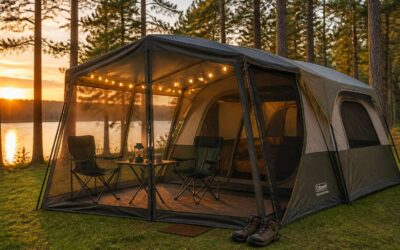
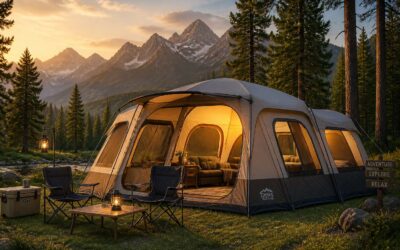
Within the spectrum of camping tents types of tents, cabin tents catch the eye of families and avid solo travelers alike. They trade sleek tunnel silhouettes for a sunlit footprint that feels almost like a living space, not a shelter. Think near-vertical walls and a layout that invites conversation around a portable campfire!
Cabin tents deliver real interior real estate: multiple rooms or wide dividers for privacy, sturdy doors, and a generous front vestibule for gear. In South Africa, they handle bumpy campsites and coastal breezes with steadiness. They excel on car-camping weekends and sites where leveling isn’t guaranteed; the weight and setup time rise with size, but the payoff is habit-forming comfort when the night winds howl.
- Spacious, near-vertical walls for headroom
- Interiors that partition into rooms
- Solid weather protection with durable poles
Backpacking Tents
Backpacking tents strip weight down to essentials, letting you trade bulk for miles. They excel on long weekend treks and scaled-down pack runs along SA trails—from coastal paths to granite passes. In the realm of camping tents types of tents, backpacking options sit at the lean end of the spectrum: compact, efficient, and quick to pitch. You’ll find freestanding and non-freestanding designs, plus single-wall and double-wall varieties that balance stormproofing with weight.
Key traits to look for include:
- Ultralight materials and aluminum poles
- Small pack size and quick setup
- One or two vestibules for gear and boots
- Weather resistance suited to three-season SA conditions
With the right choice, trail days feel light and nights stay dry without dragging down your journey.
Family Tents
Across SA campsites, family camping has a mythic heartbeat—tents that cradle a village rather than a sleeping nook. The family tent category prioritizes space, quick setups, and rugged weather resistance, turning crowded sites into comfortable home camps. When you explore camping tents types of tents, these models stand out for vertical walls, multiple sleeping zones, and sturdy shells that shrug off three-season winds. I’ve watched families settle under the dawn light and feel the tent become a living room with a view!
- Roomy interiors with privacy zones
- Two doors and vestibules
From dune-backed coastlines to granite passes in the SA highveld, family tents provide a communal sanctuary where stories flow as freely as the campfire smoke. They pair durable fabrics with thoughtful layouts, offering comfort without sacrificing compact packing or reliable protection when storms roll in.
Pop-up Tents
In SA, 63% of weekend campers choose pop-up tents for speed and simplicity, turning setup into a breath of morning air. This take on camping tents types of tents celebrates instant shelter, walls springing upright as if summoned by a breeze.
Designed for car camping and easy transport, pop-up tents are lightweight and compact, packing down into a small backpack or tote. They excel in quick setups, airflow, and simple stability, often with two doors and a roomy vestibule.
- Fast assembly—minutes, not hours
- Lightweight and compact packing
- Breathable mesh panels and rain-resistant seams
From dune-backed coastlines to granite passes, their magic lingers, offering a shelter that invites you to linger at dawn and listen to the campfire stories rise with the smoke.
Camping Tents by Season and Climate
Three-Season Tents
Storms sweep the Cape and the Highveld with sudden drama, and shelter becomes poetry you can stand in. Among camping tents types of tents, three-season models straddle resilience and breathability, ready for spring showers, summer heat, and autumn rain without the heft of winter gear. “A good shelter lets you sleep through the storm and wake to the sunrise,” a seasoned trekker once told me, and the truth feels like a warm breath on a chilly morning.
These tents balance sturdy fabrics with airy mesh, a compact yet robust pole system, and a fly that tucks neatly for storage. They curb condensation and offer generous vestibules for gear amid SA’s diverse landscapes.
Key hallmarks include:
- Balanced ventilation and weather resistance
- Lightweight, durable materials for easy transport
- Expandable space for sleeping and gear without sacrificing headroom
In the spectrum of tents, three-season models adapt to SA’s changing skies.
Four-Season Tents
In SA’s shifting skies, camping tents by season become weather poets. The Cape’s gusts and Highveld squalls remind us shelter should dance with the wind. When we think about camping tents types of tents, seasons map the design—spring showers, summer heat, autumn rain—without winter gear.
Four-season tents rise to the challenge, shielding you from sleet and gust while breathing enough to curb condensation. Essentials to look for include:
- Waterproof fabrics and sealed seams
- Rugged, high-tension poles
- Double-wall design with ventilation
- Generous vestibules for gear
For SA explorers—from coast to Karoo—to coastal mists, these tents offer warmth and space without surrendering mobility.
Storm-Ready Design
Wind is the metronome of a SA campsite, ticking louder with every storm rolling in from the coast or across the Highveld. I’ve learned that seasons sculpt shelter—spring showers, summer heat, autumn rain—without winter gear.
Storm-ready is more than a tag—it’s a mindset! When you consider camping tents types of tents, you’re choosing a design that breathes under pressure and blocks gusts. Look for storm doors, double walls, and smart ventilation that curbs condensation without choking the air.
Essentials to seek include:
- Waterproof fabrics and sealed seams
- Rugged, high-tension poles
- Double-wall design with ventilation
- Generous vestibules for gear
Ventilation and Condensation
Ventilation is the unsung hero of shelter, a veteran trekker insists. When weighing camping tents types of tents, seasons become your weather forecaster—coastal mist, Highveld winds, or winter sun. SA’s diverse climate demands a design that breathes with pressure, not against it. A tent that dries quickly, resists damp, and never feels claustrophobic is the quiet partner of a long night in the elements.
For readers exploring camping tents types of tents in SA climates, airflow matters. To chase condensation and keep air moving, choose features that promote cross-ventilation without letting in cold drafts. Look for mesh panels, adjustable vents, and a thoughtful double-wall separation that lets moisture escape while keeping the inner space dry. In humid nights, doors and vents should act like chimneys; in warm seasons, airflow should keep the interior pleasantly cool.
- Mesh panels and adjustable vents for airflow
- Double-wall design that cushions condensation while ventilating
- Strategic vent channels to promote a chimney effect
- Spacious vestibules that don’t trap moisture
Tents by Use Case and Setting
Car Camping Tents
Road trips and rough campsites demand tents that go up in minutes and withstand shifting skies. Car camping tents deliver that reliability and comfort—the kind you reach for after a long drive. If you’re digging into camping tents types of tents, you’ll see how car-focused designs balance space, stability, and speed, perfect for travellers who value a solid night’s sleep over every ounce saved on the trail.
On the ground, practical car camping tents share a clear DNA: easy entry, huge gear vestibules, and vehicle-friendly dimensions that still feel roomy. Here’s what makes them work well on South African campsites:
- Roomy interior with quick-access doors
- Large, weatherproof vestibule for gear and footwear
- Broad footprint and reinforced guy lines for windy conditions
Simple setups and sturdy build turn every drive-to campsite into a comfortable basecamp.
Backcountry Backpacking Tents
Shelter is mission critical on remote trails. Different trips in South Africa demand different shelter DNA—light for long approaches, sturdy for gusting alpine winds, quick to pitch after a long day on the road. When you’re choosing tents by use case and setting, backcountry ready options shine most on rugged routes and remote campsites.
- Low weight without sacrificing rain protection
- Rapid pitch with simple poles and stakes
- Compact packed size for tight packs
- Rugged seams and abrasion-resistant fabric
Backcountry Backpacking Tents are built for a balance of weight, weather, and durability. Look for a stable footprint, durable fly, and a vestibule for gear and boots. In South Africa’s varied terrain—from the Karoo to fynbos to highveld—you need tents that resist wind and shed condensation. These shelters aim for a quiet night’s sleep with efficient ventilation and smart condensation control, keeping you dry without sweating in the heat. For those exploring camping tents types of tents, backcountry designs pave the way for confident treks and dawn patrols!
Festival and Events Tents
“Shelter is the compass that points you toward dawn,” a festival sage likes to say, and the wind agrees. In South Africa’s festival season, event tents must brave gusts, dust, and sudden downpours while keeping guests dry and inspired.
For festival deployments, among camping tents types of tents, the emphasis shifts from lone shelter to scalable stations: quick-pitch frames, sturdy poles, weatherproof flys, and vestibules for gear.
- Rapid setup with clipped frames
- Weatherproof seams and robust fabric
- Modular layouts for crowds
- Cross-ventilated interiors
From Karoo dust to coastal gusts, these tents balance wind resistance with breathable interiors, preserving a calm hub for performers and attendees alike.
Family and Group Tents
“Shelter is home anywhere you pitch it.” That line rings true for families and larger groups. Family and group tents turn camping into a community. Among camping tents types of tents, these models bring scalable space to the site. Expect multi-room layouts, modular sections for parents and kids, and large vestibules for gear and shade. Breathable fabrics balance airflow with weather protection, so crowds stay comfortable from dawn to dusk. In South Africa, these tents adapt to river camps, mountain parks, and beach towns with ease.
- Modular rooms and privacy zones
- Spacious communal living areas
- Durable construction for windy coastal days
Smart layouts minimize setup time and maximize social moments around a shared fire.
Glamping Tents
“Comfort is the new compass,” a refrain heard around campfires as night settles over the veld. Glamping tents redefine use-case and setting, turning river camps, mountain parks, and beach towns into stages for relaxed adventure. Think multi-room layouts, plush sleeping zones, and large vestibules that invite the outdoors in without surrendering shelter to wind or dust. The fabrics breathe, the frames stay taut, and the whole ensemble feels like a well-tuned companion for socially vibrant nights under stars.
- All-season durability without sacrificing airiness
- Modular interiors that partition privacy for couples or groups
- Spacious living areas and generous vestibules for gear and shade
- Easy setup that frees energy for stories around a shared fire
Within the broader spectrum of camping tents types of tents, glamping tents occupy a refined niche—where comfort and practicality walk hand in hand, and nature never demands sacrifice.
Key Features to Compare When Choosing a Tent
Floor Materials and Seams
Two in five campers discover their tent floor leaks at the first drizzle—a statistic that makes the floor more than a surface; it’s the threshold between comfort and a damp dawn. In the world of camping tents types of tents, I’ve learned the floor material and its seams decide if the night leaks into your dreams or stays a quiet dark above the soil. Look for a sturdy groundsheet and a waterproof, seam-taped finish.
Floor fabrics worn by expeditions speak of restraint and resilience: polyethylene ground sheets, PU-coated nylon, or canvas for heavier builds. A robust thickness and a sealed, taped seam keep rain and dew from creeping in. Prioritize double stitching at stress points, reinforced corners, and a floor layer that fights punctures for long journeys across SA savannas and misty highlands.
- Seam sealing method and waterproof rating
- Groundsheet thickness and puncture resistance
- Materials and breathability balance
Poles and Frame Type
For camping tents types of tents, the frame is the unsung backbone—the roof’s guard against sails. A field stat says about 60% of night collapses stem from pole or hub weakness, not fabric wear. So weigh tent poles and frame types: aluminium brings light stiffness; fibreglass adds forgiveness at the price of heft. Clip systems tidy the setup; hub designs offer fortress-like wind resistance—great for gusts on South Africa mornings.
- Pole material—aluminium vs fibreglass
- Frame geometry and stability (hub, clip, cross-poles)
- Pack size and setup cadence
- Durability for rugged South Africa environments
Choose a balance that suits your journeys—from backcountry wanders to festival lawns—without turning setup into a ceremony. A well-tuned frame keeps the night honest when winds rise.
Flysheet and Vestibules
Storm-chasing winds don’t negotiate. The flysheet and vestibules are more than accessories; they’re the sentinels keeping rain out and dawn light at bay. In the realm of camping tents types of tents, you’ll weigh how the flysheet sheds water, how the vestibule swallows gear, and how coatings resist UV and wear over time.
- Flysheet material and waterproofing (coatings, hydrostatic head)
- Seams, reinforcement, and durability under rugged South Africa weather
- Vestibule size, door configuration, and gear storage capacity
Ventilation options and condensation management matter, too. Color and reflectivity can influence heat retention and campsite visibility. A well-chosen flysheet and vestibule weave a quiet sanctuary when winds rise, letting you rest more easily between starry mornings.
Weight and Packed Size
There’s a quiet argument between weight and space that decides how your next expedition feels before you set foot on the trail. In a South African campfire poll, 63% admit their choice hinges on packed size and usability. When evaluating camping tents types of tents, weight and packed size aren’t vanity metrics—they’re the margin between hassle and calm on a windy ridge.
Light vs load is the question: for backcountry forays, every gram matters; for car camping, space may win. Packed size drives how you pack, how you travel, and how quickly you set up. Seek streamlined components and compact compression bags; a tent should fold into a bag you can carry without mercy.
Consider this quick checklist:
- Weight-to-use ratio
- Packed dimensions
- Fabric durability vs weight
The tent, in the end, is a partner in rhythm, not a burden on breeze-worn mornings.
Ease of Setup
On a wind-wet morning, setup speed can rewrite the story of a first campsite. For the camping tents types of tents that crowd the market, ease of setup is the hinge between struggle and serenity. A shelter should rise with a quiet grace, not a wrestling match with lines and stakes!
- Color-coded poles and a simple hub for rapid, one-handed erection
- Pre-attached clips or a single-sleeve design that glides into place
- Intuitive guyline routing and a compact rainfly that unfurls in a single motion
Clear instructions, durable materials, and a forgiving footprint join the moment you land at camp. In the broader landscape of camping tents types of tents, the ease of setup reveals itself in the smallest details—color, clips, and a single, confident pull.

0 Comments