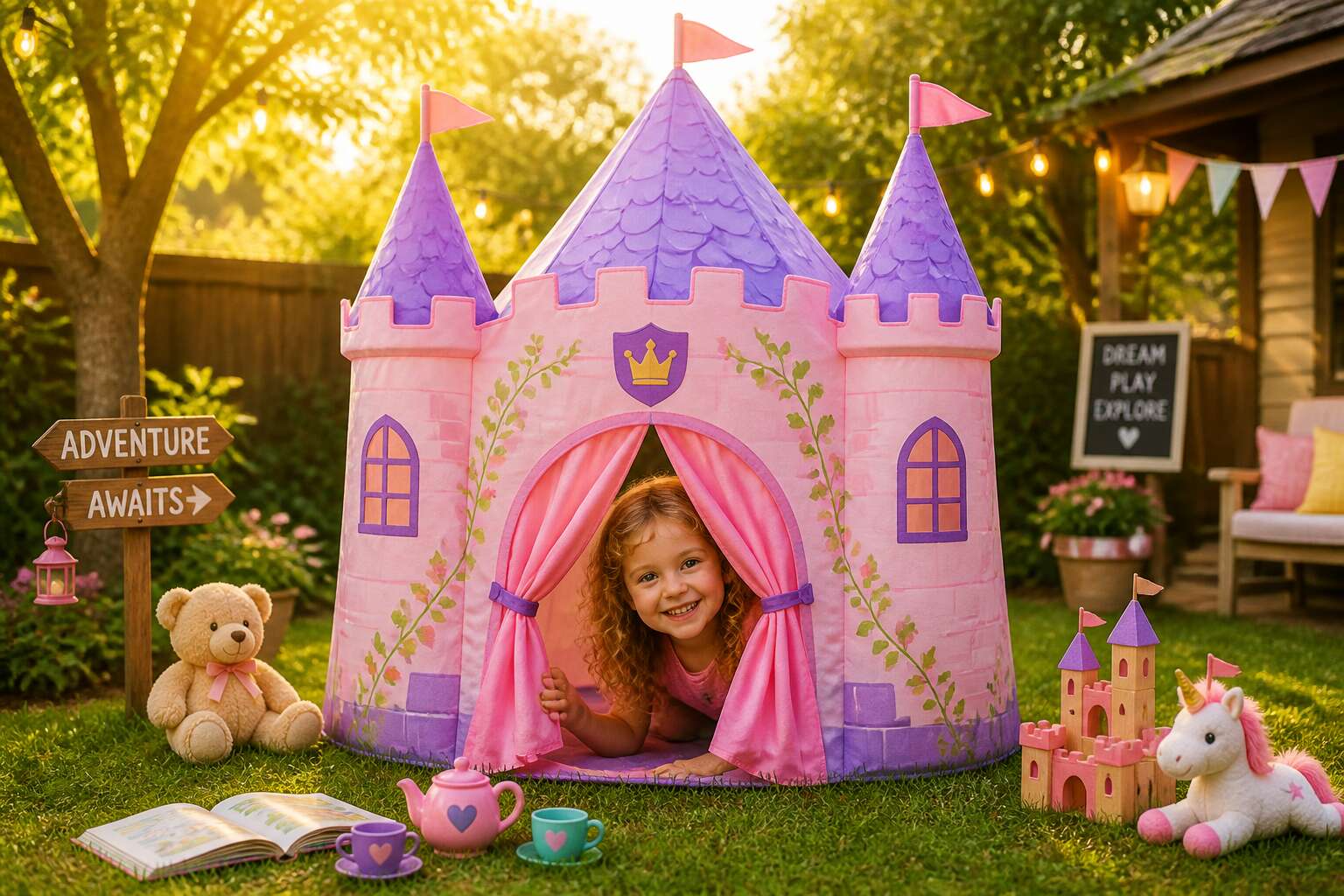
Selecting the Ideal Tent Size for Young Campers
Understanding Tent Capacity Ratings
Selecting the ideal tent size for young campers starts with a hard look at capacity ratings. Most manufacturers base these numbers on sleeping bags side by side, with zero room for gear or movement. A six person tent for two kids and two adults might still feel cramped after a rainy afternoon. You will be surprised by how much space a wet child needs!
For outdoor camping tents for kids, I recommend measuring the actual floor space. Look for a tent that offers at least 1.5 square meters per child, plus extra for storage. Consider the tent’s peak height too. Children need room to stand and change clothes.
- Check the floor dimensions, not just the sleeping capacity.
- Add one size up if you use inflatable mattresses.
- Verify the vestibule size for muddy boots and backpacks.
Capacity ratings also assume everyone sleeps parallel. Young campers often sprawl or cuddle, so read the tent’s shape and slope. A dome tent may have less usable space than a tunnel tent with vertical walls.
Balancing Sleeping Space and Play Area
Most children treat a tent as a playroom first and a bedroom second. When you shop for outdoor camping tents for kids, the floor plan matters as much as the total headroom. A rectangular footprint with a defined sleeping zone leaves the remaining space for toys, books, and quiet games when the weather turns.
Some families find three zones inside the tent work well:
- a sleeping nook at the back where bedding stays dry;
- a central play mat for puzzles and card games;
- a gear corner near the door for shoes and water bottles.
That layout keeps the chaos contained without forcing children to stay on a sleeping bag all day. The aim is simple: give the tent a sense of purpose beyond sleeping.
Considering Tent Height and Accessibility
A vast tent with a narrow entry is the fashionable cousin who never has time for quiet talk. The peak height on the spec sheet often belongs to a point your child will never touch. Use the floor space to test the real profile. Measure the highest point you could stand or sit in while changing a shirt without hitting the roof. That measurement defines comfort for small knees.
The door should allow a six-year-old to walk out without a backward stagger. Accessible openings mean fewer fights at dusk and less help from you. In South African parks, children move between sun and storm quickly.
– Check the roof corners, not only the centre.
– Set up the tent once at home to watch how the fabric sags.
Outdoor camping tents for kids with skewed walls become playrooms that trap children near the floor. The capacity of the room is its usable volume, not the printed dimensions.
Room Dividers for Shared Family Camping
Families choose outdoor camping tents for kids based on sleeping capacity alone, yet the floor plan matters more. A tent rated for six people feels cramped once bags, pillows, and a restless child occupy the corners. The usable space shrinks further when a room divider splits the interior. In shared family camping, that divider makes the difference between a peaceful night and shuffling, believe me.
Dividers come in two forms:
- A full zippered panel creates solid separation, useful when one child goes to bed earlier.
- A partial curtain allows air to move and keeps a dim light visible for nervous campers.
South African summer nights turn humid inside a sealed tent, so mesh panels help.
The base shape matters. Rectangular rooms take standard camping mats without wasted gaps. Curved walls reduce usable floor area. Outdoor camping tents for kids with straight-sided layouts give families more room to spread out.
Safety and Durability Essentials for Children’s Tents
Flame-Retardant Materials and Certifications
Flame retardancy is a material property. When evaluating outdoor camping tents for kids, the fabric’s chemical treatment demands closer scrutiny than its colour or pattern. Polyester and nylon blends often receive a fire-resistant finish, yet these treatments degrade through repeated washing or prolonged UV exposure. Certifications such as CPAI-84 or South African Bureau of Standards approval verify that the material passes vertical flame tests. A certificate is a snapshot, though; longevity depends on how the fabric responds to real-world abuse.
– Check for reinforced stitching at stress points.
– Inspect zippers for corrosion resistance after coastal trips.
– Confirm that poles are fibreglass or aluminium, not brittle plastic.
The durability conversation extends beyond the flysheet. Flooring must resist punctures from stones at Karoo campsites, and seams need waterproof sealing tape. A tent that survives a gusty Cape winter is one where parents have verified every seam, every zip, and every heat source placed well away from the walls.
Strong Seams and Weather Resistance
A tent’s seams are its first line of defence against a Cape downpour. Single stitches fail when nylon stretches under a full night of wind. Look for double stitched seams with a sealed tape overlay. This tape, not the fabric, keeps water out. For outdoor camping tents for kids, the floor seams matter most, since children kneel and sprawl across them constantly.
- Run a finger along every seam to feel for loose threads.
- Fold the floor and check the corner welds for gaps.
- Hold the flysheet up to light to spot pinholes in the tape.
Weather resistance also depends on the guy lines and pole sleeves. A tent with reinforced stress points will shrug off a Berg wind, while a cheap one deforms and leaks at the door zip. Make sure the rainfly extends past the windows, otherwise morning mist will collect on the sleeping bags.
Ventilation to Prevent Overheating
Nothing wakes a child faster than a tent that overheats after one Karoo night. Ventilation is the difference between sleep and a grouchy sunrise for outdoor camping tents for kids. Twin mesh windows opposite each other create crossflow. A roof vent with a toggle beats a fixed flap that traps condensation.
Durability means zippers that survive enthusiastic yanking. Reinforced pole sleeves prevent collapse when the tent becomes a wrestling ring. Check that internal edges are bound with fabric tape, not raw nylon.
- Test zippers for smooth operation.
- Confirm fine mesh gauge keeps out midges.
- Look for a groundsheet that extends up the walls.
That last point matters because toddlers treat the floor as a sliding surface. Adjustable vents let you open wide on hot afternoons and close tight when the Cape wind arrives. For outdoor camping tents for kids, ventilation prevents the clammy interior that leads to restless sleep.
Sturdy Poles and Wind Stability
A Karoo gust does not ask permission. It slams the tent body, and children feel every shudder through the fabric. Outdoor camping tents for kids need poles that hold their shape without excessive shake. Fibreglass flexes with dogged resilience; aluminium offers a stiffer resolve. Both fail when joints are sloppy.
Inspect pole hubs for a clean click. Check that sleeves are reinforced at the stress points. Count the cross poles. A dome with three intersecting arches handles wind far better than a single ridge frame.
Guy lines matter more than most parents assume. Recessed anchors at the base keep the structure honest. When the Cape wind arrives at midnight, a tent that stays silent is the one you trust. Outdoor camping tents for kids should feel secure against the open sky.
Non-Toxic Finishes and Lead-Free Components
Children touch everything. They pull zippers, press palms into walls, and occasionally test fabric with their mouths. That is why outdoor camping tents for kids need non-toxic finishes. Water-based coatings are safer than solvent-based treatments, which can off-gas inside a closed tent.
Lead hides in PVC parts, zipper pulls, and printed designs. Choose lead-free pigments and phthalate-free plastics. Sniff the interior, but trust the label more. Some brands follow EN 71 toy safety standards. Outdoor camping tents for kids should pass that same scrutiny.
When inspecting a tent:
- Ensure all dyes are azo-free.
- Confirm the floor has no heavy metals.
- Check that pole connectors use virgin plastic.
These specifics live in the technical datasheet, not the marketing fluff. I ask for it every time. A tent without toxic residue is a quiet safeguard.
Rounded Edges and Snag-Free Zippers
Rounded edges are the primary safeguard against scraped knees and bumped heads. A tent frame with unfinished corners can turn a game of hide-and-seek into tears. I always run my hand along every joint and connector. Snag-free zippers deserve equal attention. A cheap zipper that catches fabric becomes a frustration, or worse, a pinch hazard. Test the zipper pull with your eyes closed; it should glide without resistance.
- Flush rivets that sit level with the surface.
- Reinforced webbing at stress points.
- Zipper guards that shield small fingers.
These specifics determine whether a tent endures. The best outdoor camping tents for kids withstand rough handling for years of enthusiastic use.
Engaging Designs That Turn Camping Into an Adventure
Castle, Tunnel, and Playhouse Shapes
A child’s first night under canvas often hinges on the tent’s silhouette. Castle towers or tunnel shapes transform a patch of Karoo scrub into a medieval stronghold. The playhouse configuration offers a defined perimeter for games, separating the sleeping zone from the imaginary realm. These designs encourage independent exploration within a safe boundary. For South African families camping near the Drakensberg, the tunnel shape mimics a cave, which kids naturally gravitate toward. The fabric walls become storyboards.
Consider what makes these shapes engaging:
- Tunnel entrances create a sense of discovery.
- Castle crenellations add a visual cue for role-play.
- Playhouse roofs allow for standing room and shared games.
Ultimately, the outdoor camping tents for kids that succeed are those that invite storytelling. A slanted roof line or a second entry point changes the entire behavioural dynamic. The tent becomes an object of play, not just a shelter. That psychological shift is worth the extra grams in the backpack.
Favorite Character and Theme Options
Children rarely remember the weight of their packs or the exact route to the waterfall. They remember the velociraptor that guarded the tent flap at dawn. For parents seeking outdoor camping tents for kids, themed designs act as a catalyst for adventure. A canvas printed with baobabs and elephants turns a routine campsite in the Kgalagadi into a living storybook. A rocket ship silhouette facing the Milky Way makes the Karoo sky feel reachable.
Consider what resonates with a young explorer. Popular themes often include:
- Savanna wildlife scenes with hidden trackers
- Deep space motifs with glow-in-the-dark stars
- Underwater worlds with friendly sea creatures
These motifs do more than decorate. They assign roles, create missions, and give children a reason to zip themselves inside at night. A lion print on the door encourages a child to roar before entering. A moon and planet pattern invites a nightly orbit check. The right theme transforms a simple shelter into a memorable character that joins the family on every journey. Choose a theme that matches your child’s existing obsessions, and the tent will feel less like gear and more like a companion.
Interactive Elements Like Windows and Flags
The most memorable outdoor camping tents for kids are rarely the ones that simply keep the rain out. They are the ones that whisper promises of discovery from the moment the pegs touch the soil. A tent with a roll-up window transforms the interior from a mere sleeping bag repository into an observation post. The canvas becomes a membrane between the safety of the family camp and the vast, rustling darkness of the bushveld night.
Interactive elements forge a connection between the young occupant and the wilderness outside. A simple flap that unzips to reveal the Milky Way creates a private observatory. A mesh panel allows the child to hear the night birds call without inviting the chill inside. These are not gimmicks. They are portals for the imagination. A flag attached to the apex serves a dual purpose. It marks the territory of the young explorer, a banner of their temporary kingdom, and it teaches them to read the wind. Watching the fabric snap and flutter offers a silent, elemental lesson.
Here are a few simple additions that make a space feel like a personal command post:
– A detachable flagpole with a custom pennant for marking camp.
– Zip-away window flaps with mesh screening for stargazing.
– Internal loops for hanging a lantern or a small torch.
These details shift the perception of the tent. It stops being a piece of equipment and becomes a vessel for the night’s story. The right window offers a glimpse of a jackal’s silhouette. The pull cord on the flag gives the child agency over their small domain. It is this tactile ownership that turns a standard shelter into the undisputed highlight of the holiday, long after the campfire has died to ash.
Mini Lantern Loops and Glow-in-the-Dark Accents
Nightfall arrives quickly in the bushveld! A tent stitched with glow in the dark zip pulls becomes a landmark for small explorers returning from the firelight. Mini lantern loops near the sleeping area let a child hang their own light and read a story after dark. This is how outdoor camping tents for kids turn a dark evening into a calm adventure.
Consider the small touches:
- Glow in the dark guy lines that prevent tripping on the way to the loo.
- Luminescent corner loops for keeping jackets and towels within reach.
- A softly glowing roof seam that helps a child find their own sleeping spot.
These accents give children a sense of ownership over the dark. Outdoor camping tents for kids with glow details and lantern loops keep the night from feeling overwhelming. A tent that glows gently and holds a personal lantern invites confidence under the stars.
Colorful Exteriors That Stand Out at Campsites
At dusk, a campsite becomes a row of identical shadows. A child returning from the fire pit faces a puzzle in olive and grey. Colour ends that confusion. A roof in bright orange or turquoise marks the home base from thirty strides away.
Outdoor camping tents for kids with vibrant exteriors are not a decoration. The shell acts as a beacon at the edge of the bushveld. Parents can scan the camp from the braai area and land on their tent in a blink. The child, carrying a torch or a marshmallow stick, follows the same painted shape back without fear.
These simple choices make a difference:
- Saturated colour panels across the fly create a signal that is visible beyond the UCHO of the site.
- A contrasting door flap repeats the colour and marks the entrance as the tent’s own distinct front.
The bush offers plenty of brown and khaki. A tent that refuses to blend gives a young camper a landing point.
Smart Setup, Storage, and Maintenance Tips
Practice Pitching the Tent Before Leaving Home
Practice pitching the tent in your garden before the trip. This is not about perfection; it is about familiarity. Children often feel anxious in new environments. A known shelter reduces that anxiety.
Set up the outdoor camping tents for kids together. Let them slide poles into sleeves and hammer pegs. Then dismantle and repeat. This builds muscle memory.
- Choose a dry patch of ground.
- Lay out all parts and count them.
- Assemble following the instruction sheet once.
- Disassemble and pack back into the bag.
Store the tent dry and folded loosely. Check for mildew after each use. A ten minute practice saves hours of frustration.
Choosing the Right Campsite Location
Selecting the proper location for outdoor camping tents for kids is half the battle. A great site on paper can be a misery on the ground. Look for ground that is naturally level and free of sharp stones, sticks, or ant nests. A gentle slope is manageable, but a severe incline will have children rolling into the tent walls all night. Water drainage is critical. Avoid low-lying basins where cold air settles and rainwater collects. Even a small depression can become a wading pool after a Highveld thunderstorm. The ground should absorb moisture, not repel it.
The orientation of the tent flap matters more than most parents think. In South Africa, the prevailing wind often shifts in the afternoon. Position the entrance away from the wind direction to prevent dust and leaves from blowing inside. Also, consider the morning sun. A tent facing east will heat up quickly at dawn, waking children early. A western exposure keeps the interior tolerable until late afternoon. Shade is a luxury, but not under a dead tree. Inspect overhead branches for signs of decay or loose bark. A falling limb is a real risk, especially during a storm. In the bushveld, also check for low-hanging branches that might scrape the fabric all night, creating an irritating noise that unsettles children.
A tidy campsite is a safe campsite. Set up a clear perimeter around the tent. Mark the area where guy ropes are staked so nobody trips over them. Keep cooking equipment and hot water well away from the tent entrance. Store shoes outside or in a designated porch area to keep the interior free of dirt and debris.
The daily rhythm of maintenance is simple but essential. Each morning, open the tent fully to let condensation evaporate. Even breathable fabrics trap moisture from breathing. Wipe down any damp spots with a dry cloth. Once the tent is dry, fold it loosely to avoid creasing the fabric in the same places. When you get home, do not pack the tent away immediately. Hang it in a shaded, dry space for a full day. This prevents mildew and keeps the waterproof coating intact. For stubborn dirt, use a soft brush and cold water. Avoid harsh detergents or a washing machine, as these strip the protective layers.
– Check the zippers for trapped sand or fabric.
– Inspect the seams for any loose stitching.
– Dry the tent fully before final storage.
– Store in a cool, dry place away from rodents.
Proper care prolongs the life of outdoor camping tents for kids. When packing, do not compress the tent too tightly into its bag. This crushes the insulation and creates permanent folds. Loose storage in a cotton sack is better than cramming it into a stuff sack. The poles should be kept separate from the fabric to prevent punctures. A little attention after each trip ensures the tent remains a reliable refuge, not a source of frustration. The goal is a comfortable night under the stars, with the morning light filtering through a clean, dry shelter, ready for the next adventure.
Quick-Fold Techniques for Easy Packing
Children’s camping tents often look like crumpled pastry after a chaotic weekend. The trick is to fight the urge to force the fabric into its bag.
Start by laying the tent flat on a clean surface. Remove the poles entirely. Work the air out of the body layer by layer, smoothing the floor fabric against itself. Do not fold on the same creases every time. Rotate the fold pattern to prevent permanent wear lines.
For the poles, collapse each section with a rhythm. Start from the middle and work outward to the ends. This prevents the shock cord from snapping. Coil them loosely and place them on top of the flat tent body, never underneath.
– Lay the fly flat and fold it into a rectangle the width of the bag’s opening.
– Roll the tent body rather than folding it. Rolling expels trapped air and reduces bulk.
– Place heavier items like poles inside the bag first as a base layer.
The aftermath of a trip deserves equal attention. Shake out sand and debris before you leave the campsite. Once home, set the tent up in the shade for a few hours. Sweep the interior and wipe the zippers clean. A tent stored slightly damp will develop a sour smell that is impossible to remove.
When the tent is fully dry, store it in a breathable cotton sack. The original compression stuff sack is convenient but destructive for long-term storage. Keep outdoor camping tents for kids in a space where temperatures remain constant, away from sunlight and rodents. The fabric will last longer if it breathes.
Cleaning and Drying After Each Trip
The rain has stopped, but the South African Highveld sky holds its breath. Beneath the canvas of our family camp, the ground breathes moisture into everything it touches. Outdoor camping tents for kids require more than a quick shake before packing. The sand of the Kalahari and the red dust of the Cederberg cling like memory.
Morning light reveals the dew that settled on the flysheet overnight. I have seen tents ruined by indifference, their fabric rotting from the inside. You must act before the sun climbs too high. Wipe down the interior surfaces with a dry cloth. Turn the tent upside down to dislodge any grit that has gathered in the corners.
– Shake out each item of gear separately.
– Check the zippers for trapped sand.
– Wipe the pole joints clean.
Once home, set the structure up in a shaded spot. Let the wind move through it for a full afternoon. The heat of a South African summer will not dry a tent evenly, so open all vents and doors. The floor needs attention too. Sweep it gently with a soft brush to remove any fine particles that could wear through the material over time.
The scent of damp nylon is the smell of decay beginning. Allow every part to become bone dry before collapsing. Turn the pockets inside out. Check the seams where water might have pooled. Only then should you think about storage. The care you give outdoor camping tents for kids after each trip determines how many adventures they will see. Neglect turns a shelter into a ghost.
Repair Kits and Spare Parts
Once the fabric is bone dry, the real work begins. Smart setup starts before you leave the driveway. I keep a dedicated repair pouch inside the tent bag. It holds the essentials:
- Seam sealer for leaks around the rainfly.
- A pole splint with duct tape wrapped around it.
- Extra pegs, because the Kalahari sand swallows them.
You cannot predict when a Highveld storm will snap a pole. You can prepare for it. Most families overlook spare parts until something breaks. Buttons, toggles, and guylines wear out faster than the tent material itself. Ask your manufacturer for replacements before you need them.
Store the tent loosely in a cotton sack. Compression crushes the fabric and stresses the taped seams over time. When shopping for outdoor camping tents for kids, check whether the brand sells spares separately. Outdoor camping tents for kids deserve this level of attention. A repair kit costs less than one night at a commercial campsite. The peace of mind is free.
Using Tent Footprints for Extra Protection
A tent footprint is the quiet workhorse of family camping. It does more than keep the floor clean. It shields against sharp stones and moisture from the ground. For South Africa’s rocky campsites, that extra layer is essential.
Smart setup means laying the footprint slightly smaller than the tent. This prevents rainwater from pooling between the two layers. Store the footprint separately, folded loosely, never compressed. After each trip, shake off sand and dry it completely.
Maintenance is simple: inspect for tears and patch them early. A footprint extends the life of the tent’s base. When you invest in outdoor camping tents for kids, pair them with a footprint for added protection.
Balancing Cost, Quality, and Kid-Friendly Value
Budget-Friendly Picks Without Sacrificing Safety
Finding outdoor camping tents for kids that won’t bankrupt you feels like a victory, but the real trick is spotting quality where it hides. When you shop for outdoor camping tents for kids, a cheaper model might tempt you with a flashy print, yet its zippers and seams often tell a different story. In South Africa, where sunny days turn to sudden thunderstorms, a budget pick needs to prove itself.
Look for these markers of safety without splurging:
– Reinforced stitching on stress points
– UV protection in the fabric
– Flexible poles that bend instead of snap
Remember, a low price is not a safety certificate. Some affordable options genuinely match pricier rivals, especially when you focus on durable material and proper airflow. You pay for peace of mind, not just a logo.
Mid-Range Tents With Bonus Features
Mid-range outdoor camping tents for kids often balance price and resilience. In South Africa, where a morning can shift from clear skies to strong wind, a tent with reinforced corners and a sealed floor saves the trip. I have seen parents pay double for a brand name, then watch a cheaper model outlast it.
- Built-in storage pockets for torches and small toys
- A gear loft that keeps sleeping bags dry
- Colour-coded poles that make assembly a game
These extras add convenience without inflating the price. A mid-range tent with a sturdy frame and thoughtful details gives your family the freedom to camp often, not just once a year.
Premium Options for Frequent Family Camping
Premium outdoor camping tents for kids in South Africa can cost as much as a weekend getaway. The price makes you pause. But for families who camp most weekends, the cost per trip drops quickly. A tent with a sturdy frame, reliable zippers, and weatherproof fabric pays for itself.
What separates premium from mid-range is not the brand name. It is the details:
- Reinforced pole hubs that survive a Karoo gust
- Bathtub floors that handle overnight rain
- Mesh panels that keep mosquitoes out and breezes in
Premium outdoor camping tents for kids also hold their resale value. That matters when your child suddenly decides camping is uncool.
Reading Reviews From Other Parents
Parents write honest reviews for outdoor camping tents for kids. They mention what works and what breaks. One reviewer noted her tent weathered a Cape Town south-easter without a tear. Another reported jammed zippers by the third trip. These details matter more than star ratings.
Balance cost, quality, and kid-friendly value by scanning for patterns. A tent praised for easy pitching saves stress after a long drive. Repeated complaints about pole sockets or flimsy floors reveal real weaknesses.
Review patterns often show:
- Families with similar aged children praise the same models
- Specific comments about actual camping conditions carry weight
- Mentions of repairs or returns appear early in low rated reviews
Children care about space and fun. Parents care about durability and price. The right tent satisfies both sides.
Warranty and Return Policies to Consider
Parents ask how to balance cost, quality, and kid-friendly value when selecting outdoor camping tents for kids. A cheap tent survives one outing, then a pole snaps or moisture seeps through the floor. Warranty coverage becomes critical.
Return policies vary. Some stores reject used tents. Others allow a backyard test pitch. The warranty usually covers zippers and pole sockets. Those fail most often.
- At least one year of coverage is standard.
- Shipping costs for warranty claims are sometimes covered.
- Spare poles and stakes are often available.
Kid-friendly value means avoiding both fragile bargains and overpriced gimmicks. A firm warranty and reasonable return window protect your pocket.

0 Comments