High-Temperature Planning and Site Selection
Choosing a Shady Camping Spot and Microclimates
Under a copper sky, heat pours from the sun like a living beast. I read the air and plan ahead, turning pressure into rhythm. For tent camping in 90 degree weather, shade, timing, and shelter become my strongest ally.
Choosing a Shady Camping Spot is more than a tree line; it’s a study of micro-habitats. I seek a broad acacia canopy that dulls glare, roots that grip soil, and a breeze channel slipping between rocks. I position the tent to face away from the afternoon sun and above damp ground.
Within the land, microclimates offer me refuge: shaded pockets, cool rock shadows, and breezes that travel after the sun lowers.
Timing Your Trip for Cooler Morning and Evening Windows
Heat there is not a heat wave but a patient specter in the South African veld. High-Temperature Planning threads through the afternoon like a slow drumbeat, guiding where shade lingers and where air moves. In tent camping in 90 degree weather, timing your trip for cooler morning and evening windows becomes a quiet ritual, a way to bottle the day’s mercy before the sun brutalizes the horizon.
Consider these cues as you chart the land.
- the first pale blush of dawn brushing the fynbos
- cool rock shadows lengthening as day bleeds into dusk
- breeze channels whispering through narrow passes
Let the land reveal its breathing rhythm, and your shelter will answer with quiet resilience.
Understanding Local Heat Index and Conditions
South Africa’s veld holds a patient heat. In many regions, the heat index climbs into the mid-40s Celsius by afternoon—a steady drumbeat that reshapes every campsite. That is not a heat wave but a silent force you learn to read.
For tent camping in 90 degree weather, understanding local heat index and conditions is the anchor of planning. It reveals where shade lingers, where air moves, and when surface temperatures soften after sunset.
Key cues to weigh:
- Shade sources and terrain
- Airflow through passes and microclimates
- Ground moisture and surface reflectivity
Let the land reveal its rhythm, and your shelter will answer with quiet resilience.
Water Access, Shade Structures, and Shelter Options
Veld air swallows the afternoon with a slow hunger. In South Africa, the heat can press on tents till the fabric creaks under the glare. For those tent camping in 90 degree weather, every shade pocket and breeze becomes a whispered beacon, a rhythm to follow— I listen for the shade’s heartbeat!
Water access and shade sources guide the eye as daylight drains. The theatre of shelter includes shade sails, canvas canopies, and a natural canopy of trees—each a quiet ally against the glare.
- Shade sails stretched between poles
- Canvas canopies tethered to the ground
- Natural rock overhangs and tree canopies
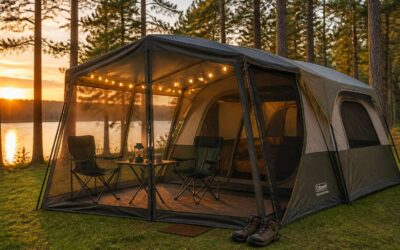
For those tent camping in 90 degree weather, shelter options hinge on ventilation and ground temperature. Mesh panels invite night air while reflective ground cloths soften sun glare. A durable tent design with multiple vents can keep the interior calmer, letting you sleep while the veld remembers you.
Let the land whisper its rhythm, and your shelter answer with quiet resilience beneath a South African dusk.
Permits, Regulations, and Safety Planning
Tents, Gear, and Sleep Systems for Hot Weather
Ventilated Tent Design and Mesh Accessories
Heat does not care for bravado, and tent camping in 90 degree weather is a test of strategy and poise. A well-ventilated shelter and a mesh-rich interior are your quiet allies, as one veteran camper quips: “Air is the real luxury on a hot day.”
- Mesh-panel walls for consistent airflow
- Vented rainfly with accessible vent zips
- Lightweight, breathable sleeping gear
Ventilated tents win where heat is concerned. Prioritize large mesh panels, dual-door layouts, and breathable, light fabrics that reflect sun rather than soak it.
Sleep systems deserve equal respect: air mattresses with open-cell foam, thin insulating pads, and cooling towels ready at hand. Mesh accessories—screened doors, gear lofts, and floor vents—keep the interior poetry of air flowing as evening light softens.
In South Africa’s camps, I see this hybrid of tent, gear, and sleep system become a social grace—proof that comfort and conversation can coexist under a blazing sky.
Breathable Sleep Systems: Pads, Mattresses, and Linens
South Africa’s summer afternoons redraw the heat map—temperatures flirt with 40°C and shade becomes a scarce commodity. Without a little luck, tent camping in 90 degree weather becomes a test of gadgets and grit. Breathable sleep systems emerge as the quiet MVPs.
Tents with generous mesh, light fabrics, and vents that spit back heat instead of absorbing it keep the air moving. For sleep, pads, mattresses, and linens designed to wick moisture and stay cool make the night feel less like an inferno and more like a breeze-filled lounge.
- Open-cell foam pad
- Thin insulating pad
- Cooling towel
In SA camps, this blend of tent, gear, and linen keeps conversations flowing long after sunset.
Cooling Aids: Portable Fans, Misters, and Ice Packs
“It’s not the heat—it’s the airflow,” a camping buddy mutters, and that truth lands with a thud once you step into a SA campsite after noon. In SA, tent camping in 90 degree weather demands more than bravado; it requires smart airflow and fabrics that breathe.
Tents with generous mesh, light fabrics, and vents keep the air moving.
- Portable fans
- Misters
- Ice packs
These cooling aids turn sweltering spaces into a breeze-filled nook, letting conversations stretch long after sunset and the campfire sighs into glowy embers.
For sleep, breathable pads and linens that wick moisture pair with a cooling towel, turning a muggy night into something closer to a moonlit lounge.
Sun Shielding for Gear: Reflective Covers and Shade Tents
South African sun has a way of turning a camp into a heat test. For tent camping in 90 degree weather, a reflective cover and shade-ready tent aren’t luxuries—they’re survival gear. Light fabrics, broad vents, and careful fly placement keep the interior air moving and the glare at bay.
- Reflective covers that shed radiant heat from the fly and walls
- Shade tents or add-on canopy to extend coverage
- Breathable fabrics and mesh panels that encourage air movement
With shade as a geometry, you can extend coolness by orienting the door away from the sun and adding a tarp canopy. The microclimate under your shelter becomes a comforting, breeze-filled nook rather than a sun-scorched box.
<pNighttime remains achievable with breathable linens, moisture-wicking sheets, and a cooling towel within reach. The right shade strategy turns a sweaty dusk into a lounge-like calm, where conversations linger longer than the embers.
Hydration, Nutrition, and Heat Health
Hydration Strategy: Water, Electrolytes, and Timing
Heat doesn’t negotiate. In South Africa’s sun-baked afternoons, tent camping in 90 degree weather becomes a test of wit, not willpower. Studies show a 2% drop in body water can sap performance and mood faster than a jackal stealing a snack. Let’s keep you upright and amused under the canvas.
Hydration strategy centers on three pillars:
- Water
- Electrolytes
- Timing
Nutrition and heat health balance with light, easily digested options. Think fruit, yogurt, nuts, and grains that fuel you without weighing you down. When the sun is a paparazzi, the body works overtime; smart choices around meals and snacks help you stay steady and alert in the heat.
Energy Snacks for Heat: Easy-Prep Foods
In tent camping in 90 degree weather, hydration is a quiet test of discipline! Hydration rests on water, electrolytes, and timing—sip steadily, replace minerals, and match intake to sun and activity. Small, consistent fluids keep mood and footing steady under canvas.
Nutrition thrives on light, easily digested options. Think portable portions that don’t weigh you down: subtle carbs with a touch of protein, and foods that stay gentle on the stomach as heat climbs. The aim is steady energy rather than fullness.
Heat Health Energy Snacks for Easy-Prep Foods can bridge the mid-day slump during tent camping in 90 degree weather. Choose items that travel light and refresh: crisp vegetables, a small block of cheese, and a handful of seeds. They fuel alertness without bogging you down in the glare.
Recognizing and Responding to Heat Illness
In tent camping in 90 degree weather, hydration becomes a quiet test of discipline that shapes the day as surely as sunrise. ‘Hydration is the map that keeps you moving,’ notes a seasoned ranger. Sip steadily—balance water with electrolytes, and time fluids to match sun and activity. Small, consistent rounds keep mood and footing steady under canvas!
Nutrition shifts toward light, easily digested options for South Africa’s heat. Think portable portions: a touch of carbohydrate with a whisper of protein, plus foods that stay gentle on the stomach as heat climbs—enough fuel to sustain, not to burden.
Recognizing heat illness starts with listening to your body. If dizziness, confusion, or a racing heartbeat appears, move to shade, hydrate with electrolytes, and cool the skin. The following quick actions help you respond in the moment:
- Shade, air flow
- Small electrolyte sips
- Watch symptoms, seek help
Sun Safety: Sunscreen, Clothing, and Skin Care
Hydration acts as the soft pulse of a hot day, and in South Africa, tent camping in 90 degree weather, the body learns a rhythm—sips that come with the sun’s rise and slow as shadows lengthen. Nutrition favors light, digestible fare: a simple balance of carbs and a touch of protein keeps fatigue at bay without burden.
Sun safety becomes the skin’s quiet armor: sunscreen glows on, clothing breathes, and shade is a beloved companion. The ritual reveals itself in textures and light—cooling gels, after-sun care, and the soft glow of sun-kissed skin.
- Broad-spectrum sunscreen on exposed skin
- Breathable fabrics: lightweight shirts, long trousers, a wide-brim hat
- Skin-care routines that soothe and hydrate under sun
Heat health becomes a daily liturgy—an acknowledgment that the land’s brightness shapes the body as surely as sunrise.
Evening, Cooking, and Activity Planning
Cool-Weather Sleep Prep and Nighttime Cooling
South Africa’s camping culture knows heat is part of the landscape. In many parks, highs flirt with the 35°C mark, and tent camping in 90 degree weather becomes an endurance test—one that demands wit, shade savviness, and respect for the sun’s comedy. I’ve learned to greet the evening with a grin and a plan.
- Evening vibes that lean into shade, stories, and gentle stargazing
- Cooking with cool air in mind: light meals, minimal heat, and sociable banter
- Activity planning that flows with energy levels rather than a rigid clock
When night drapes the camp, cool-weather sleep prep and nighttime cooling emerge as the unsung heroes. The night air slips through the mesh, and the soft chorus of crickets softens the day’s heat. I drift toward a rested silhouette, grateful for fabric that breathes and a tent that keeps its cool sovereignty even after the sun signs off.
Safe Cooking Techniques in Hot Conditions
I drift into the evening hush, where shade becomes a sanctuary and the day’s heat loosens its grip. South Africa’s parks glow as conversations drift and stars peek through cooling breezes. tent camping in 90 degree weather has taught me to greet the night with a grin and a plan.
- Light, fresh meals that the group can share
- Cook in shaded areas whenever possible
- Keep the kitchen pace social and unhurried
Cooking slips toward the lighter side as air cools, with meals that travel well and conversations that stay warm. Safe cooking techniques in hot conditions feel like a shared rhythm—easy prep, minimal gear, and a breeze for the cook.
Activity planning stays flexible, guiding an evening stroll, a storytelling circle, and a quiet stargaze that rises and falls with the heat. The camp breathes easier when the tempo bends to the night rather than the clock.
Low-Impact Activities to Beat the Heat
The evening hush settles on the veld like velvet, a reminder that heat has a bedtime too. For tent camping in 90 degree weather, shade becomes gold and a cooling breeze writes the night’s first verse.
Cooking leans into simplicity: light, shareable meals kept in a shaded nook. Think crisp salads, chilled wraps, and herbal ice teas that spark good conversation. Easy prep, minimal gear, and meals that travel well keep the camp relaxed.
- Cold wraps with vibrant fillings
- One-pot bowls that chill fast
- Fresh fruit and yogurt cups
Activity planning stays flexible, folding in an evening stroll, a storytelling circle, and a quiet stargaze that rises as the heat eases. Low-impact pursuits let the night breathe and friendships deepen without rushing the clock.
Packing List Essentials for Extreme Heat
Evening settles on the veld like velvet, and in tent camping in 90 degree weather shade becomes gold—a cool sanctuary where the day exhales and the night begins with a whisper of breeze. Lantern light replaces glare; conversations drift as the air cools and the camp thins to quiet, intimate moments.
Cooking leans into simplicity: light, shareable meals kept in a shaded nook. Crisp salads, chilled wraps, and herbal ice teas spark conversation. Easy prep and meals that travel well keep the camp relaxed beneath the soft chorus of evening crickets.
Activity planning becomes a gentle choreography after sunset: a stroll, a storytelling circle, and a quiet stargaze as heat eases. This rhythm guides tent camping in 90 degree weather planning. Below is a quick packing list of essentials for extreme heat:
- Insulated cooler with ice packs
- Reusable water bottle with filter
- Wide-brim hat
- Cooling towel
- Portable fan or mister
- Shade tarp or sunshade
Leave No Trace in Hot Weather
Evening settles like velvet over the South African veld; tent camping in 90 degree weather reveals a rare mercy as shade threads the campsite and a breeze rustles the acacia. A quiet statistic lingers in memory—dusk can cool the air by as much as five degrees Celsius, turning the day’s ache into a surrendered sigh. Lantern light glows softly, conversations drift, and the night begins with a whisper of breeze.
Cooking leans into simplicity: meals gathered in a shaded nook, where crisp greens and fragrant herbs travel the breeze like a shawl. Chilled wraps, citrusy infusions, and light platters spark conversation without heat fatigue. Easy prep keeps the rhythm leisurely, letting the chorus of evening crickets cradle the camp in tranquil glow.
Activity planning becomes a gentle choreography after sunset: a stroll along the campsite’s edge, a storytelling circle, and a slow stargaze as heat eases. This rhythm anchors Leave No Trace in Hot Weather—honor the land, minimize disturbance to wildlife, and preserve the night’s quiet magic for fellow campers beneath a jeweled African sky.

0 Comments