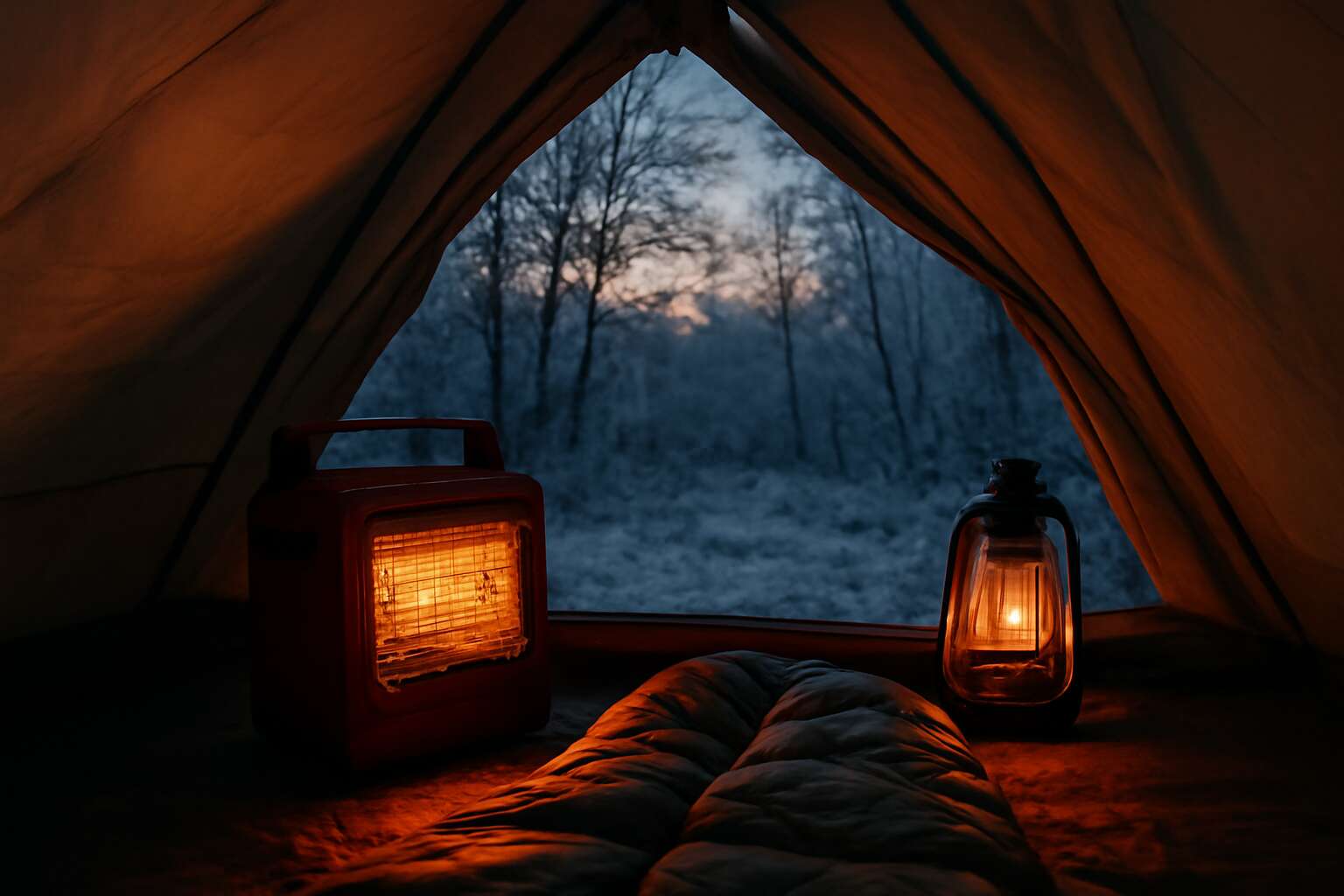
Selecting the right heater type for tent camping
Overview of heater types for tents
Chilly nights in SA campsites can feel like a spell that won’t break; warmth, when trusted and used safely, turns a tent into a cocoon of comfort and stories worth telling.
Choosing the right heater for tent when camping means balancing warmth, ventilation, and safety.
- Propane or butane portable heaters — compact heat on demand, but require good ventilation and stable setup.
- Electric radiant or fan heaters — clean operation with campsite power, mindful of amperage and access.
- Chemical heat packs and personal warmers — low-profile warmth for layering, no ongoing fuel supply.
In SA’s varied landscapes, the best choice respects campsite rules, fuel availability, and responsible use; warmth should feel like a gentle glow, never a blaze.
Gas vs electric vs fuel-based options
Temp swings in SA campsites can rewrite a night into a different season, and a dependable heat source becomes a quiet ally rather than a risky flare!
Choosing the right option means weighing heat output, ventilation, and safety against your campsite’s rules and power access.
- Gas (propane or butane): instant warmth and portability, but requires stable setup and good ventilation.
- Electric radiants or fans: clean operation when power is available, mindful of amperage and access.
- Chemical heat packs and personal warmers: portable, low-profile warmth with no continuous fuel supply.
For many, selecting the heater for tent when camping comes down to balancing space, heat, and airflow with safety. Understanding venue rules and local fuel access makes all the difference in comfort without turning a night under canvas into a cautionary tale.
How tent size and insulation affect heating needs
Across South Africa’s campsites, night air can shift by as much as 15°C, turning a calm glow into a frosty whisper. Selecting the right heater type for tent camping means balancing space, heat retention, and gentle airflow. When tent size grows or fabric insulation thins, heat escapes faster, nudging you toward steadier warmth and smarter placement of any heat source.
As tent size and insulation vary, the heating needs shift—smaller, well-insulated tents keep warmth longer, while roomy, canvas structures invite faster cooling. A thoughtful approach weighs heat output against ventilation; the choice hinges on the volume of space you must maintain and how drafty the seams are. For a heater for tent when camping, the setting adapts to fabric and floor insulation. Consider these factors:
- tent footprint and height
- wall and floor insulation
- ventilation and airflow paths
Safety features to look for
South Africa’s night air on many campsites can swing by 15°C, turning a soft glow into a frosty whisper. The right heater for tent when camping balances space, heat retention, and airflow to prevent damp pockets and drafts. In smaller, well-insulated tents warmth lingers longer; in larger canvas setups, heat dissipates faster. Fabric and floor insulation shape safety margins and where you place any heat source.
Safety features to look for include:
- Tip-over sensor that shuts the unit automatically
- Oxygen depletion or carbon monoxide alarm for gas options
- Automatic shutdown if overheating occurs
- Secure guards and a design that favors proper ventilation
These features help keep warmth steady and safe on South Africa’s campsites.
Portability and setup considerations
On South Africa’s chilly campsites, a 15°C temperature swing after dusk can turn a soft glow into a frosty whisper. Selecting the right heater type hinges on portability, setup, and how the tent holds heat through the night.
Evaluate how you’ll deploy heat inside your shelter: compact models that nest in a pack, simple venting, and a stable, dry placement matter more than raw wattage.
- weight and packability
- fuel type availability at campsites
- ease of lighting and maintenance
Portability is about more than weight; it’s how quickly you can set up and pack away, and whether the unit tolerates your tent’s stance on uneven ground.
For the best experience, remember your heater for tent when camping should harmonize with space, airflow, and seasonal expectations as you plan next season’s adventures.
Safety first: using heaters in tents
Ventilation requirements and CO safety
In the chill of a South African night, warmth feels like salvation—the heater for tent when camping glows with promise, and yet safety must lead the way. I’ve learned that comfort without air is a false friend, a whisper that can turn sharp when the breath runs thin.
Ventilation requirements and CO safety sit at the heart of any tent setup. CO is colorless and odourless, so a detector becomes your quiet guardian. Let the tent breathe, follow the manufacturer’s guidelines, and respect the space around the heater to maintain airflow and reduce risk.
- CO detection and automatic shutoff for peace of mind
- Clearances that keep fabric and gear out of the flame’s reach
- Ongoing monitoring of air exchange and heat output within the shelter
Warmth should be a trusted light in the night, not a hidden hazard. The safety conversation travels with every campsite, and it’s the decisive edge of responsible camping in South Africa.
Proper placement and operation
On a South African night, warmth can feel like salvation. A heater for tent when camping glows like a tiny sun, but safety must lead the way. Place it on a stable, non-flammable surface and keep at least a metre from tent walls, gear, and any fabric—this simple spacing saves nights from turning smoky!
- Placement: stable, non-flammable surface; at least 1 metre from fabric and gear.
- Operation: never leave it unattended; switch off before sleeping; manage cords and movement around the unit.
- Ventilation: ensure vents stay open and follow the manufacturer’s distance guidelines to protect airflow.
Safety first turns warmth into a trusted companion. With careful placement and mindful operation, a heater becomes a beacon rather than a hazard in the shelter.
Avoiding fire hazards inside a tent
On a South African night, warmth can feel like salvation, and the whisper of heater for tent when camping can glow like a tiny sun. Yet safety must lead the way, turning glow into guardianship rather than smoke on the canvas.
Safety first turns warmth into a trusted companion; I hear the tent sigh with relief when danger stays at bay.
- Respect the rhythm of air and flame; ventilation remains your silent ally.
- Never treat heat as a toy—keep watchful eyes, ears, and CO alarms near the bivouac.
- Trust the manufacturer’s warnings and safety features as you’d trust a night watchman!
With such reverence, a heater becomes a beacon rather than a hazard in the shelter, a quiet ember that guards the boundary between comfort and catastrophe.
Carbon monoxide detectors and alarms
Safety first turns warmth into trust; even a gentle glow can transform a bivouac into a sanctuary. In the cool South African night, a heater for tent when camping can feel like a pocket sun, yet danger is a shadow that moves with the smoke. Respect the craft of safe operation, and let ventilation remain the quiet ally that keeps air fresh and breath easy.
- CO detectors with audible alarms placed near sleeping areas
- Battery backup or independent alarms so safety is maintained during power interruptions
- Clear a wide perimeter around the heater, away from walls, gear, and flammable fabrics
Always heed the manufacturer’s warnings and safety features as steadfast as a night watchman. Regular checks and mindful placement turn a campsite beacon into a reliable companion rather than a candle burning too close to dreams.
Cold-weather safety tips
South Africa’s winter nights bite with a quiet tenacity, turning a bivouac into a chapel of breath and shadow. A heater for tent when camping can feel like a pocket sun—bright, intimate, and a touch untamed. Safety, then, is the artist’s brushstroke: deliberate placement, steady operation, and a reverent respect for the dark around you.
- Operate only from certified, tent-friendly heaters and follow the manufacturer’s guidance.
- Store fuels and ignition sources well outside the sleeping zone and never sleep with a hot unit running.
- Have a simple contingency plan if the weather shifts or power fails—extra layers, a backup heat source, and a dry, warm shelter ready.
Let warmth arrive like a measured flood, and your camp remains a sanctuary rather than a blaze; your heater for tent when camping becomes a quiet sun, and the night steadies, with courage keeping the glow safe.
Fuel and power options for tent heaters
Propane and butane canisters
Across South Africa’s campsites, 62% of campers rely on portable warmth to stretch cold-season trips into spring. A well-chosen heater for tent when camping can redefine comfort, turning a damp dawn into a moment of resilience.
Propane and butane canisters are the stalwarts of fuel options. Propane performs reliably in cooler conditions and powers higher heat output; butane is lighter and more compact, ideal for short getaways, though it wanes as temperatures drop.
To compare the practicalities at a glance:
- Propane: broad availability, steady heat, supports larger cylinders for longer outings.
- Butane: agile and travel-friendly, best for milder nights and quick warmth.
- Adapters and refillable options: ensure compatibility with the heater model and local supply.
Fuel choice shapes everyday warmth, silent comfort, and the rhythm of camp life when choosing a heater for tent when camping.
Kerosene and paraffin options
Across South Africa’s campsites, 62% rely on portable warmth to stretch cold-season trips into spring. That resilience begins with a smart fuel choice for a heater for tent when camping—kerosene and paraffin offer long-burning, readily available options.
Kerosene provides reliable heat in cooler conditions and fuels larger cylinders for longer outings. It tends to burn cleaner and stably in storage, a steady companion for dawn frost. Paraffin is lightweight, affordable, and quick to warm a tent, though it can lag in very cold air.
To navigate practicalities, check heater compatibility and local supply. Consider these:
- Availability in South Africa
- Fuel-system compatibility with kerosene or paraffin
- Safe storage and handling in camp conditions
Kerosene and paraffin bring distinct warmth tempos to the night, shaping the camp’s quiet resilience.
Electric heaters and battery-powered choices
Across South Africa’s campsites, 62% rely on portable warmth to stretch cold-season nights into spring. Electric warmth arrives with a measured hush—precisely the kind of comfort that travels with a tent and lantern. The heater for tent when camping can draw power from mains, a compact generator, or reliable battery packs, delivering steady heat without fumes or smell. Clean warmth, light and mobile, suits the open sky’s long hours. Warmth travels light!
Power options for a tent-friendly setup include:
- Low-wattage electric heaters that preserve battery life
- Battery-powered models designed for quiet operation
- Solar-charged packs that refill between day and night
Light, portable, and adaptable, electric and battery-driven warmth complements the rugged charm of a South African night, offering solace without the smoke and dust of fuel-based choices.
Fuel efficiency and refill considerations
Heat on demand travels lighter across the South African veld. In camp after camp, many travelers favor gas canisters for reliable warmth, turning a crusty night into a memory of a sunlit afternoon. The heater for tent when camping becomes a discreet companion—compact, efficient, and politely fumes-free.
Efficiency hinges on burn rate, canister size, and ambient temperature; cold air suppresses pressure and heat. Refill considerations: ongoing availability, cadence of replacements, and keeping spares dry and upright so warmth remains reliable when the night grows long.
- Propane and butane canisters: high energy per volume, ideal for cooler nights
- Kerosene and paraffin options: dense heat with longer burn, but heavier handling
- Storage and availability: ensure safe storage and local access to refills
Storage, handling, and transport safety
As the veld wind howls, a dependable heater for tent when camping becomes more than a luxury—it’s warmth you can count on. This compact, efficient buddy is discreet, fumes-friendly, and ready to turn a frosty night into a story worth retelling by the dawn.
Fuel and power options span snappy bursts to long, steady burns. Propane and butane deliver high energy per canister; kerosene and paraffin provide denser heat with longer life. Storage and local refills matter to avoid late-night scrambles.
- Propane and butane: compact energy, quick heat
- Kerosene and paraffin: dense heat, longer burn
- Electric or battery options: quiet where power exists
Storage, handling, and transport safety shape the experience. Keep containers dry and upright, heed labels, and plan for shaded, cool storage to keep warmth reliable when the night refuses to end.
Purchase considerations and product features
BTU sizing and tent size guidelines
Size matters when choosing a heater for tent when camping. BTU sizing should align with the tent’s footprint, insulation, and the climate. A properly matched unit keeps space comfortable while avoiding waste heat and fuel. Margin matters, especially on windy nights.
Use these guidelines for sizing and tent compatibility:
- Calculate interior volume: length × width × height; target BTU per hour scales with volume.
- Add 1,000–2,000 BTU per person for gear and occupants.
- Factor insulation, ground cover, and tent fabric when choosing a heater.
- Choose a unit with adjustable output to dial in comfort without overheating.
Product features to look for include compact design, stable base, and compatibility with common fuel or power sources. A model that fits your tent and offers simple, safe operation will enhance every camping trip.
Noise level, glow and emissions
A well-chosen heater for tent when camping can turn a frigid night into a memory you’ll carry home. “A good heater,” a veteran camper told me, “makes the glow feel like a warm invitation rather than a threat of cold.” When shopping, weigh noise level, glow, and emissions as core features. Quiet operation aids sleep; a soft glow sets the mood; emissions should be considered with ventilation and detectors. In South Africa’s diverse campsites, an adjustable output model lets you move from frosty dawn to comfortable warmth without waste.
- Compact design that fits a tent interior without crowding gear
- Stable base or non-slip feet for uneven ground
- Adjustable output and multiple fuel or power options
A compact, stable model with adjustable output keeps the space comfortable and the night memorable—without wasting heat.
Auto shut-off, tip-over protection
On a wind-battered Karoo night, a reliable heater for tent when camping can turn a frosty vigil into a snug memory. A veteran camper told me, “Auto shut-off is peace of mind on a windy night.” When shopping, prioritize safety features like auto shut-off and tip-over protection, plus a solid base and accessible fuel or power options. The right unit stays quiet enough for sleep, while keeping the glow gentle and the tent evenly warm beneath starlit skies.
- Auto shut-off triggers if the heater overheats or runs without airflow, preventing fires.
- Tip-over protection switches the unit off if it’s knocked or tilted on uneven ground.
Choose a compact, well-balanced model that fits the tent interior without crowding gear, and that offers adjustable output for chilly dawns and mild evenings. Those safety features pay dividends across South Africa’s varied campsites, from the Highveld to coastal dunes.
Build quality, durability, and warranty
Across South Africa’s wild spaces, a chilly dusk is a test of character. In the glow of a fading campfire, a reliable heater for tent when camping becomes more than warmth—it is a quiet compass in the night.
Build quality matters as surely as the flame itself. Look for robust metalwork, corrosion-resistant casings, and a stable, low-center base that won’t tip on sandy soils. A generous warranty—three to five years—speaks volumes about durability and the maker’s faith in longevity.
- Stability-focused base design for uneven ground
- Durable materials that stand up to sand and damp
- Clear indicators for fuel or power status
- Simple, reliable ignition and serviceability
When packaged with care and imagination, the right unit becomes a companion through dawn frost and starlit silence.
Energy efficiency and cost-per-use
Purchase decisions in the field hinge on efficiency as much as courage. When evaluating a heater for tent when camping, spin the lens toward running costs, fuel accessibility, and how long a cartridge or cylinder will last on a chilly dusk.
Energy efficiency matters: seek models with adjustable heat, efficient burn, and good insulation around the housing. Use a simple cost-per-use calculation: take the current fuel price and divide by the estimated hours of warmth you’ll enjoy per fill.
- Adjustable heat output for precise comfort
- Low fuel consumption and clear remaining-fill indicators
- Auto shut-off and stable base for safety and reliability
Look for thoughtful packaging, readily available parts, and a reputable warranty to keep warmth a reliable companion rather than a moving target.
Setup, use, maintenance, and troubleshooting
Initial setup and testing before camping
Across South Africa’s chilly campsites, warmth becomes a quiet anchor when the wind wails outside. A heater for tent when camping begins with trust in the setup. Start with a home test: inspect the unit, seals, and fuel lines, and verify safe clearance.
- Check ignition and seals in a safe, open-area setting.
- Inspect fuel canisters and hoses for leaks.
- Place on a stable, non-flammable surface away from gear.
When you use it, keep doors ajar for airflow and adjust heat to a comfortable glow without overdoing it.
After each trip, wipe dust from the vents, store fuel safely, and check cords and regulators for wear. A small habit saves big headaches.
If something stumbles, perform initial setup and testing before camping: check flame pattern, listen for leaks, and run the unit for a few minutes in open air; keep a safety alarm nearby.
Using with tents, awnings, and stoves
On South Africa’s chilly campsites, a dependable heater for tent when camping becomes your best buddy. Start with a home test: inspect the unit, seals, and fuel lines, and verify safe clearance. Place it on a stable, non-flammable surface away from gear.
When in use, keep doors ajar for airflow and adjust heat to a comfortable glow. For tents, awnings, and stoves, maintain good ventilation and avoid overhasty heating.
After trips, wipe dust from vents, store fuel safely, and check cords and regulators for wear. A small habit saves big headaches.
If something stumbles, perform initial setup and testing before camping: check flame pattern, listen for leaks, and run the unit for a few minutes in open air; keep a safety alarm nearby, and trust the heater for tent when camping.
Maintenance tips and cleaning
Setup is the quiet ritual that greets the frost on a South African night. A heater for tent when camping begins with a home-test: inspect the unit, seals, and fuel lines, and verify safe clearance. Place it on a stable, non-flammable surface away from gear.
Use with mercy. When lit, doors slightly ajar invite air and a gentle glow. In tents and awnings, ventilation keeps warmth steady and safe.
Maintenance after trips is a ritual of care: wipe vents, store fuel safely, and check cords and regulators for wear. A small habit prevents headaches.
Troubleshooting: if trouble arises, test before camping. Observe flame pattern, listen for leaks, and run the unit briefly in open air; keep a safety alarm nearby.
- Check flame pattern and leaks
- Run outdoors for several minutes
- Verify CO safety alarm is functional
Troubleshooting common issues
Setup begins with a calm, methodical check. A heater for tent when camping earns trust when placed on a stable, non-flammable surface with clear space around it, even on chilly South African nights.
Use centers on gentle airflow and awareness. Keep vents unobstructed, doors slightly ajar for ventilation, and a steady glow without overheating. Proper placement helps warmth stay consistent while reducing condensation inside the tent.
Maintenance after trips is a ritual of care: wipe vents, store fuel safely, and inspect cords and regulators for wear. A small habit prevents headaches and prolongs performance when the next frost arrives.
Troubleshooting common issues is practical, not panic-inducing:
- Check flame pattern and leaks
- Run outdoors for several minutes
- Verify CO safety alarm is functional
Winter camping best practices
Setup for winter camps begins with a calm, methodical placement of your heater for tent when camping on a stable, non-flammable surface with clear space, even on chilly South African nights. A steady glow signals safe operation, not a flare. Heat stays contained, while condensation remains manageable.
Use centers on gentle airflow and awareness. Keep vents unobstructed, doors slightly ajar for ventilation, and a steady glow without overheating. Proper placement helps warmth stay consistent and reduces condensation.
- Ventilation balance and airflow awareness
- Safe fuel storage and transport mindset
- Regular inspection of cords and regulators
Maintenance after trips is a ritual of care: wipe vents, store fuel safely, and inspect cords for wear. A small habit prevents headaches and prolongs performance.
Troubleshooting common issues is practical, not panic-inducing: stay calm, reassess the setup, and consult a technician when safety or reliability feels compromised.

0 Comments