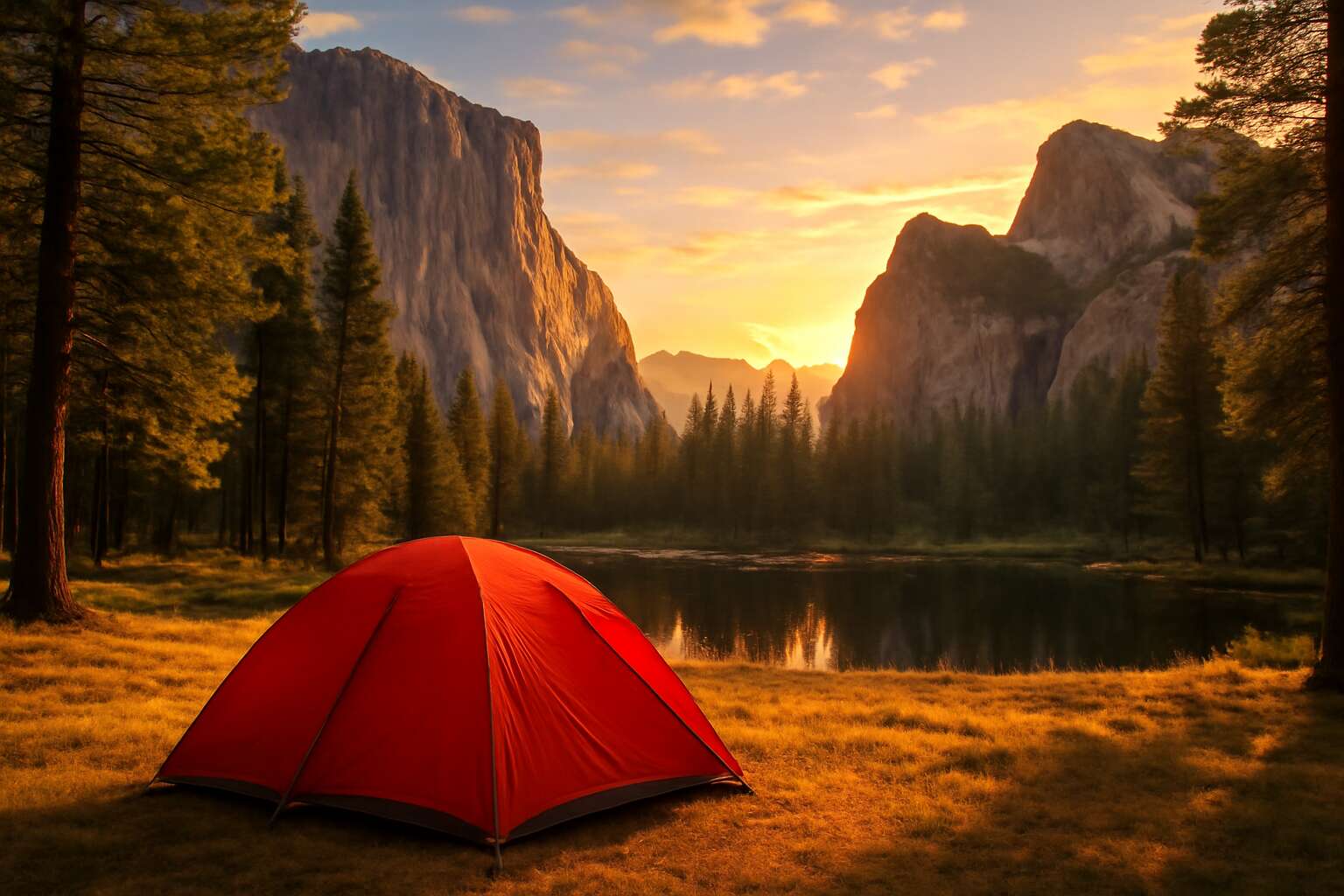
Planning Essentials for Yosemite National Park Camping
Understanding Yosemite Wilderness and Campground Rules
More than 4 million visitors flood Yosemite National Park each year, and beneath the granite spires the night air carries a still, sacred hush. Planning essentials for tent camping yosemite national park lean toward balance—knowing when to linger in shade, and how etiquette threads into the wilderness experience.
Consider these planning elements as the compass for a respectful stay:
- Permits and campground reservations
- Wilderness versus established campgrounds
- Leave No Trace and water stewardship
Understanding Yosemite Wilderness and Campground Rules reveals the park’s dual character: remote zones reward self-reliance and quiet, while designated sites foster a respectful cadence—quiet hours and visitor etiquette. For South African explorers planning a U.S. park adventure, the landscape mirrors the traveler, offering luminous skies and a chorus of pines.
Choosing Your Campsite: Valley versus High Country
Planning essentials for Yosemite tent camping starts with geography. The park stretches from about 4,000 to 13,000 feet, a vertical spectrum that reshapes sun exposure and sleeping gear. Valley floor sites offer quick access to trails and ranger programs; high-country sites reward solitude with dramatic night skies.
- Valley floor: closer to amenities, shorter approaches, more crowds.
- High country: thinner air, cooler nights, longer approaches, wilderness feel.
That choice shapes dawn chorus, trailhead moods, and how shade works at breakfast.
From a South African perspective, the pine hush against granite glare is half the fun. For tent camping yosemite national park, map windbreaks, shade, and altitude to keep tents dry. The landscape invites patience and playfulness in equal measure.
Permit Requirements and Reservation Timelines
John Muir’s refrain—“The mountains are calling, and I must go”—meets the quiet urgency of Yosemite’s permit desks. For tent camping yosemite national park, planning begins with understanding how overnight and backcountry permits shape the arc of dawn over granite and pine.
Reservation timelines balance the park’s hunger for visitors with the needs of fragile ecosystems. A handful of windows open each season for valley-floor sites and remote high-country backcountry, and timing matters more than luck when the season swells.
- Overnight camping permits
- Backcountry permits
- Group camping
From a South African perspective, the permit landscape reads like weather lore—calendars, quotas, and ranger wisdom guiding a responsible, sweeping experience. For tent camping yosemite national park, accessibility and respect for the landscape intertwine with the romance of travel, making patience a companion as sure as any compass.
Family-Friendly Versus Solo Tent Camping Considerations
Dawn paints granite with mercy and grit, and planning goes ahead of the first trail. For tent camping yosemite national park, choosing between family-friendly routes and solitary treks sets the tempo for your stay. From a South African lens, pace and practical packing matter more than luck, turning a good outing into a memorable one through smart gear and timing.
When you compare family-friendly and solo approaches, your decisions ripple through gear, pace, and safety.
- Gear and packing strategy for groups
- Safety planning and self-reliance for solo campers
- Campground etiquette and shared spaces
It’s all about adaptability—short days, long mornings, and flexible itineraries. Pack light, expect varied weather, and stay mindful of camp etiquette and quiet hours to keep the experience vibrant for everyone.
Park Regulations and Leave No Trace Essentials
‘The mountains are calling and I must go,’ as John Muir wrote. For tent camping yosemite national park, planning essentials matter as much as gear, a reminder that South African travelers bring curiosity and discipline to the trail.
Planning within park regulations and Leave No Trace principles keeps Yosemite’s granite calm and trails pristine. Expect seasonal access changes and wildfire rules, and pack with wildlife in mind—bear canisters, food storage, and quiet hours shape every visit.
- Respect seasonal closures and limits
- Dispose of waste properly
- Respect wildlife and maintain distance
- Leave what you find and minimize campfire impact
Mindful preparation and graceful pacing ensure the landscape remains a wonder for generations. It’s all about planning, tempo, and reverence for the park’s fragile rhythms.
Gear, Safety, and Practical Prep for Tent Camping
Essential Gear Checklist for Tent Camping
Weather Readiness and Layering in Sierra Nevada
Layering is king in the Sierra Nevada, where a sunny morning can turn to a frosty evening 20°C cooler in a heartbeat. For tent camping yosemite national park, a smart layering system keeps you comfortable without overpacking: a breathable base layer, a warm midlayer, and a windproof shell. Pack compact when possible, and test gear at home to avoid a midnight ‘is this cold’ drama on the trail. South African explorers know layering well, too.
Practical prep includes a compact kit:
- Base layers: moisture-wicking tops and leggings
- Midlayer: fleece or lightweight down
- Outer shell: waterproof and windproof
Safety is non-negotiable: store food in bear canisters, respect campfire rules, and treat water by purifying before drinking. A quick read of Sierra weather and trail conditions helps prevent sunburns, hypothermia, and epic misadventures.
Wildlife Safety and Food Storage Essentials
Gear for tent camping yosemite national park should be lean, reliable, and drama-free. Think compact, weather-tested basics: a sturdy tent, a proper sleep system, and a sensible food plan that keeps critters curious rather than crashing your campsite. If your gear squeaks, you’re the burr in the burrito—fix it now.
- Bear canister or odor-proof container
- Food storage: bear boxes or high-hung line
- Headlamp with extra batteries
Safety is non-negotiable: stash edibles in bear canisters or locked containers, sweep the site for crumbs, and respect campfire rules. Purify every sip of water before drinking, and never underestimate a bear’s curiosity for camp snacks.
Practical prep rounds out the routine: test gear at home, assemble a lean pack, and rehearse the setup on a dry run. South African hikers will tell you a dry run beats a soggy surprise, and it keeps you counting stars instead of headaches.
Camp Kitchen Setup and Waste Disposal
Fire Safety, Campfire Policies, and Alternatives
Fire safety shapes every decision at Yosemite. One ember, left unattended, can silence a night in minutes. “Safety first,” a ranger told me, “is the best campfire story.” For tent camping yosemite national park, the aim is curiosity tempered by caution—enjoying the night while keeping flames contained and within policy.
It all starts with gear, safety mindset, and practical prep that respects the park’s rules. For South African campers, rangers stress a safety-first approach, clear perimeters, and respect for fire restrictions.
- Fire safety gear and checks
- Understanding campfire policies and restrictions
- Practical alternatives for evenings under starry skies
Alternatives for warmth and light keep the night alive when fires are limited. Propane options, battery-powered lanterns, and shared warmth via social spaces let visitors connect without risking the forest. It’s about balance—enjoy Yosemite, stay safe, and protect the landscape.
Yosemite Campsite Options and Reservation Strategies
Frontcountry versus Backcountry Camping Options
A granite sunrise, a chorus of pines, and the patience of a traveler who knows the land writes the story of Yosemite. For those South African readers dreaming about tent camping yosemite national park, frontcountry sites offer the ease of accessible showers, camp hosts, and the echo of nearby trails—yet backcountry routes invite a truer silence.
Frontcountry campgrounds sit in the park’s valleys, where maps are friendly and mornings bring water, toilets, and camp hosts. Backcountry camping follows a different vocabulary: permits, longer trails, and starry skies. Consider these factors, I have learned, that shape your experience:
- Access to amenities versus solitude
- Trailhead proximity and potential crowding
- Permitting process, fees, and renewal rules
- Seasonal access and weather windows
Reservation strategies drift on the breeze: be flexible with dates, anticipate busy seasons, and let preparation meet spontaneity! The right choice blends comfort with challenge, memories lasting long after the last ember fades.
Top Yosemite Campgrounds and What They Offer
The mountains are calling and I must go — John Muir’s words still echo as you step into tent camping yosemite national park.
A dawn chorus of pines, granite walls, and starlit skies awaits the traveler who chooses this place. For readers in South Africa, the cadence of canyon winds travels well, a familiar rhythm for a traveling heart.
Frontcountry campgrounds offer easy showers, hosts, and quick access to nearby trails, while backcountry routes promise a truer silence. Reservation strategies drift on the breeze: stay flexible, anticipate busy seasons, and let preparation mingle with a touch of spontaneity.
- Upper Pines — central Yosemite Valley access, nearby water and restrooms, family-friendly campsites.
- Lower Pines — river-adjacent setting with easy trail links and scenic meadows.
- North Pines — a quiet corridor to sunrise viewpoints and trailheads, with essential services nearby.
What they offer becomes a doorway—your own night under stars.
How to Book Campsites: Apps, Phone, and Walk-Ins
tent camping yosemite national park is more than a campsite—it’s a doorway to granite walls, star-scarred nights, and mornings painted with pine. South African travelers will feel a familiar rhythm here, even as canyon winds carry a new accent, reminding you that preparation and patience often share the trail.
Three routes keep the dream alive for staying overnight in the park:
- Online through Recreation.gov via a mobile app or browser.
- Phone bookings during park hours for last-minute shifts.
- Walk-ins when space allows, checked at the campground kiosk.
Flexibility pays when plans shift with weather or crowds, and a backup date can turn a near-miss into a night under the stars.
Nearby Amenities, Accessibility, and Proximity to Trails
tent camping yosemite national park is a doorway to granite walls, star-scarred nights, and mornings painted with pine. The valley breathes with you, yet the right campsite can feel like a compass—pointing toward cooler shade, closer trailheads, and a dawn that arrives with a chorus of birds. In this landscape, choosing a site becomes poetry with a purpose, not mere logistics.
Plan with distance to trails, accessibility, and services in mind. A site near a popular path saves strides for the day’s big views; a shaded spot steadies the afternoon heat. Flexibility is the quiet ally when weather or crowds redraw the map. I’ve found that small shifts can keep the night alive a little longer.
Nearby amenities, accessibility, and proximity to trails can shape the story of your stay:
- Potable water, restrooms, and showers within reach
- Accessible loops and paved paths for gear handling
- Easy access to iconic trails and viewpoints from your site
The night under Yosemite’s stars rewards those who weave place, pace, and preparation into one enduring night.
Tips for Finding Last-Minute Availability
Yosemite campsite options read like a choose-your-own-adventure—each grove and meadow offers a different frame for starlight and granite. If you’re chasing tent camping yosemite national park, flexibility is your compass and shade your best ally. The dance of last-minute availability plays out as crowds ebb and flow, with openings often arriving when the sun takes a coffee break. South African travelers will find the cadence brisk and surprisingly companionable.
Here’s a gentle framework that reads like poetry rather than a checklist:
- Flexibility reveals itself as you read the map where openings appear and vanish like tides.
- Openings often arrive when demand fades after the afternoon heat, so keep an eye on the calendar in whispers.
- Prioritise shaded sites or those near water to maintain comfort if a last-minute swap is needed.
Time and patience reward the mindful traveler; the night sky is Yosemite’s final verdict on any plan, and it never disappoints when approached with curiosity rather than obstinacy.
Seasonal Planning and Best Practices for Yosemite Tent Camping
Best Times to Camp: Seasonal Weather and Packing Tips
“The mountains are calling, and I must go,” John Muir wrote—a truth for Yosemite planning. Seasonal planning turns a tentative trip into a smoother experience; timing reduces crowds and weather woes. For tent camping yosemite national park, understanding seasonal shifts starts with a map and ends in a well-packed kit.
Here are quick seasonal guardrails to guide your packing and timing:
- Late spring and early fall offer cooler nights.
- Winter access demands snow-ready gear.
- Summer storms require shade and shelter for tents.
Finish with gear that supports a long night at altitude: breathable base layers, a warm middle, a waterproof shell, and a sleeping bag rated for cold nights. Hydration is vital in high-altitude air, so carry ample water. When you set up in tent camping yosemite national park, the sense of place becomes your best guide.
Crowd Management: When to Visit to Avoid Peak Times
“The mountains are calling, and I must go,” a line that rings in every season—but in peak times, Yosemite’s trails feel like a shared heartbeat, and crowd dynamics guide every pause.
Seasonal planning matters: late spring and early fall gift cooler nights and clearer skies, while midweek stays keep the campground vibe calmer. For tent camping yosemite national park experiences, timing sets the rhythm of your night under the pines and your sunrise view.
The best approach is to let the day’s pace guide your route—meadows quiet under the morning light, a slow wander, and a moment of stillness shared with the granite and pines as the alpine air clears.
Across continents, the longing for space is universal; Yosemite answers with granite, breeze, and a shared responsibility to protect it.
Trail Access and Day Trip Planning from Campgrounds
More than 4 million wander Yosemite’s granite cathedrals each year, and the thrill of the campfire lingers long after the last ember. For tent camping yosemite national park, timing is the quiet metronome that drums through dawn and dusk!
Seasonal planning matters: late spring and early fall gift cooler nights and clearer skies, while midweek stays keep the campground calmer. South African readers will feel the rhythm here—the night under pines, the sunrise over granite.
From camp to trail, consider these guiding notes:
- Seasonal access varies; check condition reports and permit constraints before you depart.
- Pace the day to align with light and shade, letting meadows quiet and streams become your quiet companions.
- Respect shuttle and parking patterns to preserve the experience for everyone.
Let the day’s pace guide your route—meadows quiet, a slow wander, and a moment of stillness shared with granite and pine as alpine air clears.
Seasonal Fire Restrictions and Safety Measures
Fire season is a fickle diva—and in tent camping yosemite national park, seasonal fire restrictions chore our itineraries as surely as dawn choreographs birds. Plans hinge on updates, official reports, and that quiet, stubborn drumbeat of the Sierra that says: adapt or go home!
- Seasonal fire restrictions vary with drought cycles and air quality; updates reflect current conditions.
- Respect for designated fire rings and campground guidelines preserves the landscape for future visitors and stargazers.
- A safety-conscious mindset recognizes wind shifts and ignition risks as constant considerations.
For tent camping yosemite national park, seasonal planning rewards the mindful: cooler nights, clearer skies, and a pace that lets granite and pine breathe with you, not against you.
Overnight Policies, Weather Alerts, and Closure Updates
Forecasts in the Sierra change faster than a coffee-fueled hiker. Yosemite’s weather is a plot twist, and seasonal planning is the armor that keeps your trip intact. “Weather is the only constant here,” a ranger likes to quip, and he’s right.
Overnight policies hinge on current conditions. Weather alerts arrive fast and can flip a planned campsite; closure updates shuffle routines, so stay plugged into official feeds to keep your itinerary livable and your stars sharp!
- Daily weather briefings and air-quality alerts
- Real-time campground and road closure notices
Seasonal planning for tent camping yosemite national park rewards the patient: safer nights, smarter packing, and fewer surprises at dawn.

0 Comments