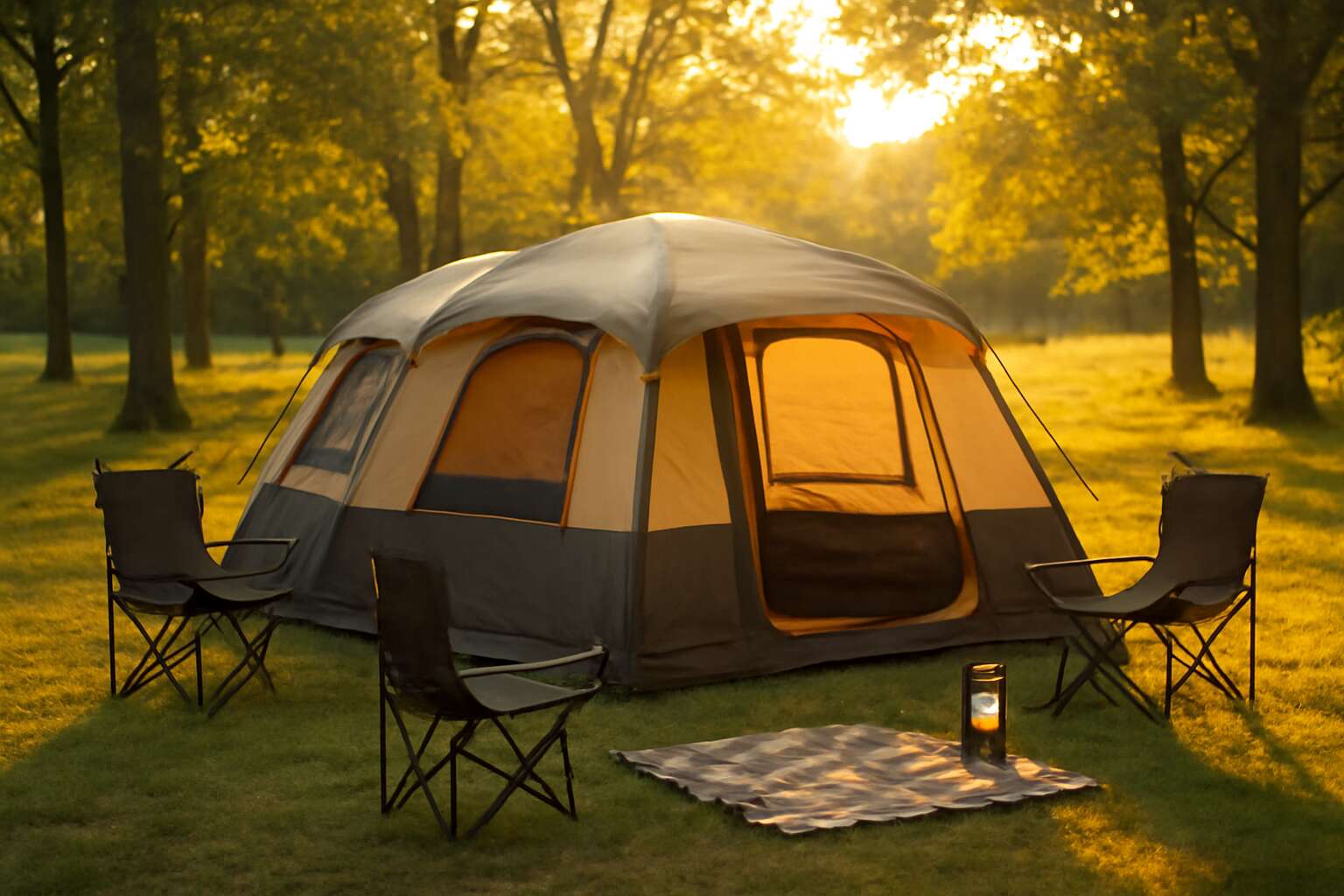
Planning and Buying Guide for Camping Tents for 7 People
Assessing sleeping arrangements for 7 campers
“Space is the quiet architect of comfort,” says a seasoned camper around the fire. The planning phase for camping tents for 7 people should focus on how seven bodies will share air, light, and sound as dawn breaks over a quiet campsite. In South Africa’s varied climates, choosing the right footprint becomes a choice about hospitality and sanity in close quarters.
To assess sleeping arrangements, consider these attributes:
- Sleeping configuration options (cozy bunks, floor mats, or separate rooms).
- Ventilation and privacy balance to suit families and friends.
- Vestibule space for gear and late-night conversations.
Balancing weight, setup ease, and durability informs the buying choice, weaving practicality with the ethics of shared space. The right tent becomes more than shelter; it is a space where stories begin and tensions soften under stars. That choice, among all, shapes the rhythm of a family gathering: camping tents for 7 people.
Choosing the right tent shape and design for group camping
In South Africa’s night-sky camps, a field note whispers that harmony rises when the footprint fits the flock: planning the right shape for camping tents for 7 people transforms air and light into a ballroom, not a squeeze.
Choose a tent shape and design that threads private nooks with shared spaces. Dome offers quick setup and headroom; tunnel grants long sleeping zones; cabin-type layouts invite distinct rooms for privacy.
- Interior layouts and the option for separate rooms
- Ventilation, privacy balance, and vestibule space
- Footprint, durability, and ease of setup
For a South African audience, the right design becomes a sanctuary where dawn light and laughter mingle—an anchor for a thin line between adventure and rest.
Understanding materials, weather resistance, and durability
Three out of five South African campers say weather resistance is the deciding factor when buying camping tents for 7 people. In wind-swept veld nights and sudden showers, the fabric and seams hold the line between comfort and soggy dawns. Understanding materials, weather resistance, and durability isn’t marketing fluff—it’s peace of mind you can feel as first light spills across the camp.
Plan around three pillars: materials, weather resistance, and durability.
- Fabric options: ripstop nylon, canvas blends, or polyester with a waterproof PU coating
- Flooring: tough, waterproof base such as high-density polyethylene
- Frame and seams: aluminum or robust fiberglass with reinforced joints; fully taped seams and a bathtub-style floor
- Ventilation: thoughtfully placed vents and mesh panels to balance airflow with privacy
South African climates demand UV stability and local support. Look for warranties, spare parts, and service options that cover your 7-person footprint. With the right pairing, camping tents for 7 people become a sanctuary where dawn light and laughter mingle.
Balancing budget with features: value tents vs premium options
Three out of five South African campers say weather resistance is the deciding factor when buying camping tents for 7 people. In the planning phase, balance the budget with three pillars—materials, weather resistance, and durability—letting value and premium meet at the dawn of a well-kitted camp. The aim is a shelter that feels like a haven even as veld winds rise and sudden showers drum on canvas.
Consider these balance points when weighing value against premium options:
- Value tents deliver efficient fabrics, simpler seams, and a lighter footprint for weekends and uncertain endurance trials.
- Premium options offer reinforced frames, larger vestibules, and fast, fuss-free setups that endure SA conditions.
- Service and warranty: look for local support, spare parts, and robust after-sales coverage tailored to a 7-person footprint.
South Africa’s climates demand UV stability and local support. Look for warranties, spare parts, and service options that cover your footprint. With the right pairing, a tent becomes a sanctuary where dawn light and laughter mingle.
Set up time, portability, and space requirements
The veld wind has a way of testing plans, yet a shelter chosen with care can turn a night into sanctuary. When selecting camping tents for 7 people, climate, setup speed, and space become guiding stars rather than afterthoughts.
- Set-up time: simple assemblies and color-coded poles shorten the ritual of raising camp.
- Portability: read packed weight and bag design, for journeys where roads bend and campsites breathe far apart.
- Space requirements: calculate floor area per sleeper, add vestibule space, and ensure adequate headroom to keep the dawn from feeling cramped.
For camping tents for 7 people, layout matters as much as fabric. Check the inner arrangement, door access, and gear space, plus UV stability and breathable panels to cope with SA sun and wind.
In the end, the shelter should feel like a sanctuary when dawn light and laughter mingle at the camp.
Best Tents for 7 People in Different Climates
All-season vs seasonal use and temperature ratings
Across SA’s coast, highveld, and Karoo, the night can flip from calm to biting fast. In this theatre of weather, the right gear makes all the difference. When shopping for camping tents for 7 people, climate is the unseen actor—defining space, comfort, and even mood.
All-season tents stand ready for Cape winds and Karoo cold, with sturdy poles and full-coverage rainflies that rain won’t breach. Seasonal tents lean toward lighter fabrics and ventilation, best for sultry summer and shoulder-season nights. Temperature ratings serve as a trustworthy compass here. For many South Africans, camping tents for 7 people become the anchor of a trip.
- All-season tents for 7 people: rugged frames, full-coverage rainfly, reinforced seams, and gust-rated guy lines.
- Seasonal tents: lighter fabrics, mesh ventilation, and quicker, quieter setup for warmer nights.
- Temperature ratings: pick a comfort range that suits SA winters and humid summers—scan for ‘extreme’ lows and ‘comfort’ highs.
Tents suited for mountains, forests, and variable terrain
Across SA’s dramatic landscapes, a good night’s sleep begins with the shelter you choose. In the field, roughly 60% of campers say airflow and space trump flash when the wind shifts and the dew clings—a tent that breathes becomes the heartbeat of the night.
For alpine climbs and river gorges, camping tents for 7 people with rugged frames, full-coverage rainflies, and gust-rated guy lines turn gusts into a settled chorus. Mountains demand steadfast lines; a tent that holds its ground feels almost enchanted.
In the damp forests, lighter fabrics and mesh ventilation keep the interior cooler and smelling faintly of pine. You’ll notice the difference on humid nights, when quiet setup and airy sleeves invite rest amid the trees.
- Mountains: rugged frames and secure stakes for bitey winds.
- Forests: breathable mesh and ventilation to curb condensation.
- Variable terrain: adaptable footprints and vestibules that stretch space as needed.
These best options turn SA’s climate into a stage for memory, with camping tents for 7 people anchoring a night that might have drifted away as mist and moonlight.
Ventilation, condensation control, and moisture management
Across SA’s dramatic landscapes, a good night’s sleep starts with the shelter you choose. A field survey showed 60% of campers value airflow over sheer wind resistance—a tent that breathes becomes the heartbeat of the night.
In practice, best tents across climates incorporate:
- Strategic mesh panels for cross-ventilation
- Roll-back rainfly doors to boost airflow without soaking you
- Ventilated vestibules to curb condensation
Condensation control and moisture management come down to seam sealing, breathable fabrics, and proper pitch. Double-wall construction helps keep interior dry, while clever vents move humidity with the night, turning damp air into a gentler companion.
These camping tents for 7 people stand ready to anchor a memory beneath SA’s stars, where ventilation and moisture management aren’t luxuries but lifelines—transforming misty hours into a settled, almost enchanted, night.
Climate-specific accessories and setup tips
Across SA’s landscapes, airflow can cradle a good night’s sleep. 60% of campers prize breathable shelter over brute wind resistance, reminding us that the heartbeat of camping tents for 7 people is air exchange. Climate becomes the compass—arid plains, windy coasts, and forested hills all demand thoughtful form.
Climate-specific accessories and setup tips include:
- Coastal zones: corrosion-resistant stakes, extra guylines, and a roll-back rainfly.
- Desert heat: UV-stable fabric, sun-shield panels, breathable groundsheet.
- Highland damp: moisture-ready groundsheet, extra vestibule space.
- Humidity-prone areas: vented fly and breathable inner layer to move humidity.
Under SA skies, these climate-aware touches turn shelter into a memory-woven moment beneath the stars.
Ventilation and vestibule space optimization in large tents
Across SA’s campgrounds, airflow is the unsung hero of a good night’s sleep; condensation bows to a well-timed breeze. One field note claims breathable shelter can slash interior dampness by up to 60%, a reminder that the heartbeat of camping tents for 7 people is air exchange. Climate becomes the compass, guiding choices from arid plains to windy coastlines.
Best tents for 7 people in different climates lean on ventilation and vestibule space. Cross-ventilation through mesh panels, multiple doors, and vents keeps air flowing even when the rainfly is in place, while two generous vestibules offer dry, organized zones for gear and boots—minimizing moisture migration into the living area.
- Two vestibules or a spacious front porch to separate gear from sleep zones, boosting air movement
- Strategic door placement and mesh-rich panels that encourage cross-ventilation without sacrificing privacy
Under SA skies, climate-aware design turns shelter into a memory-woven moment beneath the stars for camping tents for 7 people.
Setup, Comfort, and Space Optimization
Car camping vs long-haul trips: choosing the right deployment
Setup is the quiet victory at dawn. For seven campers, a forgiving footprint and quick-pitch design turn a muddy driveway into a ready camp. Clear entrances and simple guylines shave minutes off the routine—every second saved feels like a win in South Africa’s weather; camping tents for 7 people emphasize quick setup.
Comfort grows with sleeping-zone layouts, accessible doors, and airflow suited to warm evenings. A tall interior and well-placed vestibules turn a roomy, seven-person setup into real breathing space, not claustrophobia—even after a braai under open skies.
- Centralize shared gear in the vestibule
- Stow sleeping mats along a central aisle
- Keep a clear door path for quick exits
Space optimization hinges on deployment: car camping favors compact, modular arrangements; long-haul trips need partitions and clear footpaths, so the tent remains a social hub rather than a gear cavern.
Interior layout: privacy, zones, and gear staging
Seven campers, one dawn—setup should feel like a quiet victory, not a race. In camping tents for 7 people, a forgiving footprint and quick-pitch design turn a muddy driveway into a ready camp. The promise is space that invites smooth traffic and shared laughter at first light!
Comfort grows with sleeping-zone layouts, accessible doors, and airflow tuned for warm South African evenings. A tall interior and generous vestibules create breathing room after a braai, turning a crowded tent into an oasis where conversations drift like smoke in the dawn air.
Space optimization interior layout centers privacy, zones, and gear staging.
- Sleeping-zone privacy with soft dividers
- Living area aligned with door access for flow
- Gear staging near the entrance for quick reach
Done well, this seven-camper footprint becomes more than shelter—it’s a living space for stories and starlight, and it fits camping tents for 7 people.
Doorways, vestibules, and airflow design for comfort
Setup should feel like a quiet victory the moment dawn spills over the canvas. A forgiving footprint and smart door placement let the day begin with calm, not a scramble. For camping tents for 7 people, that calm becomes a real celebration as the mud fades into a ready camp.
Comfort blooms in airflow tuned for warm South African evenings and doors that invite morning light without inviting a draught.
- Doorways positioned for natural flow from living area to sleeping zones
- Vestibules that cradle boots, braai gear, and morning coffee cups
- Mesh panels and vent flaps that foster cross-ventilation without drafts
Space optimization hinges on privacy and easy movement. A tall interior, generous vestibules, and gear staging near the entrance breathe room into the night—turning a crowded shelter into an oasis where conversations drift with the dawn and the braai smoke fades.
Smart organization: pockets, gear lofts, and hangers
Setup becomes a calm ritual: a quiet click of the frame, a floor that folds neatly, and a canopy that settles like a held breath. Clever geometry shaves minutes off assembly!
- Pockets for small items
- Gear lofts for overhead storage
- Hangers for lanterns and towels
Comfort grows from breathable fabrics and balanced airflow that drift-sweeps the interior on warm South African evenings. Mesh panels invite light without drafts, keeping the living area welcoming and sleep zones serene.
Space optimization means privacy with easy movement: tall interiors, generous vestibules, and gear staging near the entrance. These camping tents for 7 people transform a crowd into an oasis as the dawn begins.
Creating practical layouts to maximize living space
Setup unfolds like a quiet ceremony: the frame clicks into place with a precise, almost ceremonial whisper, the floor unfurls to meet its seams, and a canopy settles as if exhaling. For camping tents for 7 people, the choreography matters—tethering lines, aligning corners, and letting gravity do the rest.
Comfort is a balance of breath and light. Breathable fabrics weave cooling air through mesh panels, while symmetry in airflow keeps the living area inviting on warm evenings in South Africa. For camping tents for 7 people, comfort grows from a measured embrace of light and shade.
Space optimization turns crowding into choreography: tall interiors, broad vestibules, and thoughtful gear staging near the entrance.
- frame locks that snap into place
- mesh pockets within easy reach
- vestibules sized for flexible gear staging
Maintenance, Care, and Longevity
Cleaning, drying, and dirt prevention after camping trips
“A tent is a partner, not a trophy,” a seasoned bush camper likes to remind me. After a trip, cleanliness and air-drying decide its fate more than the weather did.
For camping tents for 7 people, dirt and moisture linger in folds and corners. Thoughtful care and proper ventilation help preserve waterproof coatings and keep seams from stiffening for the next adventure.
Store only when completely dry in a dry, ventilated space; avoid damp bags that invite mildew. In South Africa’s varied campsites, this quiet routine rewards longevity and peace of mind.
Waterproofing, seam sealing, and zipper care
“A tent is a partner, not a trophy,” a bush camper reminds us as the night hushes and rain tests our gear. For camping tents for 7 people, maintenance is a moral choice as much as a practical one—protecting waterproofing, seams, and breathability for the next chapter of evening skies.
Waterproofing and seam sealing are the quiet engineers of comfort. When coatings begin to wear, even the bravest raindrop finds a path. Regular attention to seams and zippers preserves performance, reduces stiffness, and keeps your interior dry in the sharper winds that sweep across South Africa’s campsites.
A legacy tent endures where care is evident, where materials stay flexible and the zipper moves with ease rather than debating resistance. Such discipline extends the life of camping tents for 7 people, turning every trip into a reliable sanctuary amid the wild.
Repair kits and common fixes for large tents
“Repair is the quiet rain against canvas,” a bush camper reminds us. Maintenance, care, and longevity for camping tents for 7 people are more than rituals—they are an oath to dry nights and calm mornings, from the Karoo to coastal dunes.
Longevity hinges on small acts of care. When coatings wear, seams loosen, or zippers balk, a calm approach preserves performance. For camping tents for 7 people, repair kits are quiet allies—patches for tears, seam sealer, and lubricant to coax creaky sliders back to life. I carry a compact kit on every SA trip. Stubborn stains are memories waiting to be sealed.
Consider a compact longevity kit tucked into your pack. A few essentials can make the difference on a remote trail.
- Fabric repair patches
- Seam sealer or tape
- Zipper lubricant and spare sliders
With such care, camping tents for 7 people endure season after season.
Storage best practices and seasonal checks to extend life
Your tent is not just shelter; it’s a partner in every dusty dawn and storm-lashed dusk. Dry nights start with dry gear, a bush camp maxim I actually believe. For camping tents for 7 people, longevity begins with a quick post-trip cleanse and a full-dry down before you pack away. Treat it like a sleeping partner for the horizon, and it will reward you with season after season of quiet comfort.
- Dry completely before packing—not a speck of damp fabric goes back into your kit.
- Store in a breathable bag or box in a cool, ventilated spot away from direct sun.
- Seasonal checks: inspect seams, re-seal where needed, lubricate zippers, and replace worn sliders or patches.
A little routine care, done with character and a smile, keeps your tent buoyant on Karoo trips or coastal dune adventures.
Warranty considerations and when to replace a tent
Season after season, the faithful shelter proves its mettle in the long SA nights. A veld guide once whispered, “A tent that dries before first light keeps the horizon honest.” For camping tents for 7 people, maintenance is the quiet oath between you and the horizon, a ritual that keeps campfire stories intact long after the last ember fades.
Maintenance and longevity live in patient care. Look for brittle corners, seam lifting, or zippers that resist a smooth glide—the kind of wear a tent rarely survives without notice. Warranty considerations matter, so retain receipts, register the product, and read coverage limits; UV exposure and hardware wear often shape when retirement becomes wiser than repair.
- Proof of purchase and model
- Warranty duration and coverage
- Signs replacement is wiser than repair
When the fabric thins to translucence or stitching surrenders to salt air and grit, replacement becomes the wiser dawn—lest the next horizon pull you into its story.

0 Comments