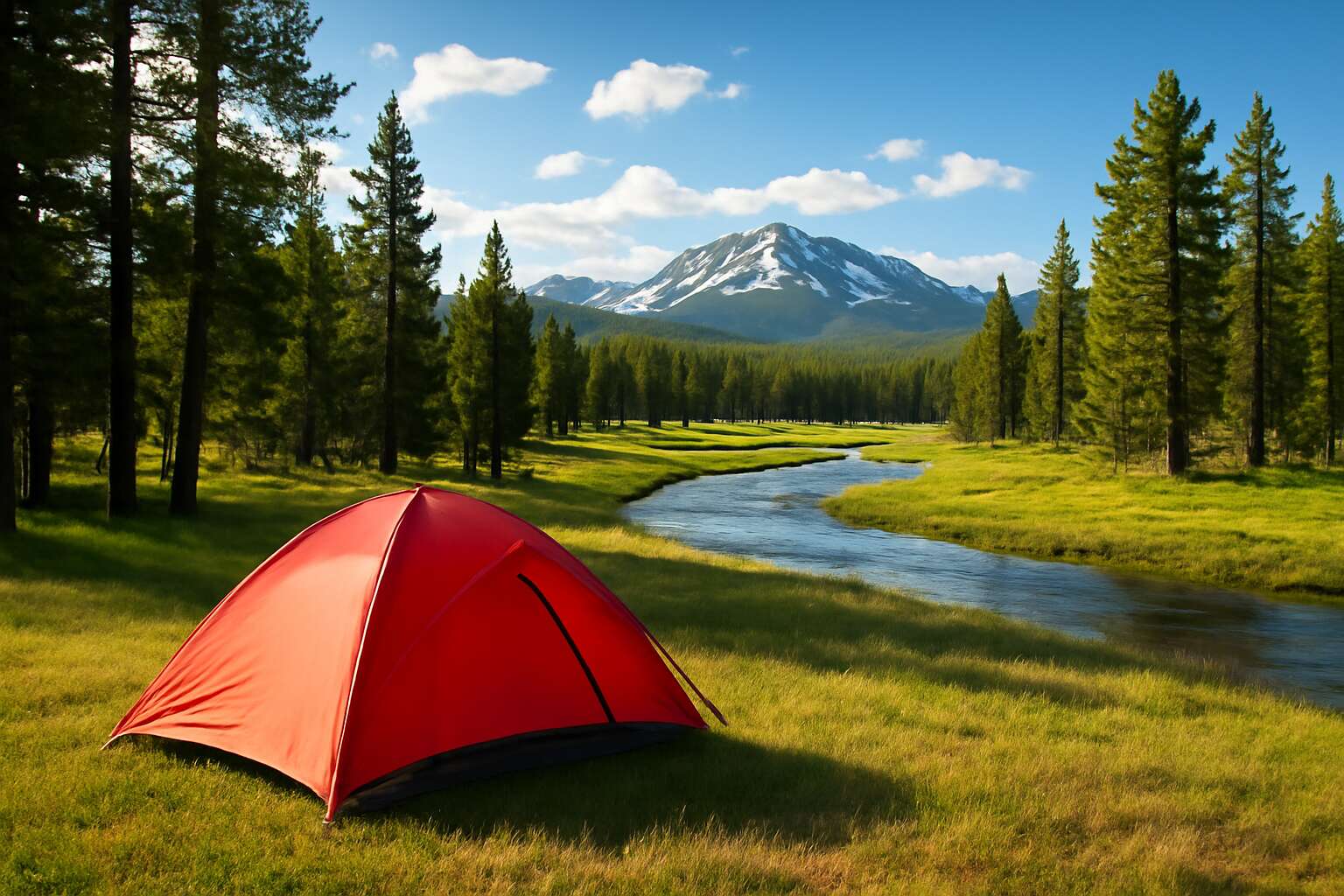
Planning and Permits for Yellowstone Camping
Permits and Reservations for Yellowstone Camping
Across Yellowstone’s steaming mornings and granite whispers, planning becomes a quiet suspense. In peak season, up to 70% of campground sites are booked weeks in advance. For those chasing tent camping yellowstone adventures, the permit labyrinth is the first chapter—an invitation to understand where wild spaces meet careful stewardship.
Permits are managed by the National Park Service through an official reservations portal, and Yellowstone uses a careful system to protect its fragile ecosystems. You’ll encounter campground reservations for developed sites and backcountry permits for wilderness stays.
- campground reservations for established sites
- backcountry permits for overnight stays
- seasonal and capacity limits that shape availability
For South African readers, consider these permit categories:
Knowing these distinctions keeps the narrative steady as dates approach.
Frontcountry vs Backcountry Camping Regulations
Frontcountry planning for tent camping yellowstone often begins long before you pack the stove. In peak season, up to 70% of campground sites are booked weeks in advance, which makes early decisions a quiet victory or a hard lesson. The landscape rewards patient preparation and clear expectations about what space is truly available.
- Frontcountry: developed campgrounds with vehicle access, bookable through the official reservations portal
- Backcountry: wilderness permits, no vehicles, and quotas by zone that require planning well ahead
Seasonal and capacity limits shape availability, particularly for distant planners from South Africa. The permit path diverges, with frontcountry tied to reservations and backcountry requiring wilderness permits, safety briefings, and Leave No Trace discipline. This framework keeps the conversation practical and preserves the wild spaces for years to come.
Seasonal Access and Timing
Seasonal access in Yellowstone runs on a clock that rewards patient planning. In peak season, up to 70% of frontcountry sites vanish weeks ahead, turning a casual dream into a scramble. For travelers pursuing tent camping yellowstone, the calendar becomes the most valuable tool—dictating when to reserve, wait, or pivot as space tightens and expectations narrow.
South African planners bring a long-distance rhythm to the table. Spring melt opens routes gradually, while autumn winds and early snows tighten the windows. Timing matters here, shaping what is feasible and when, across a continent and an ocean.
- Seasonal windows and road status
- Zone quotas and permit rhythms for backcountry access
- Safety briefings and Leave No Trace expectations
Respect for the park’s cadence keeps tent camping yellowstone possible for years to come, even as seasons shift and crowds swell.
Campgrounds and Tent-Friendly Sites in Yellowstone
Madison Campground Overview
Millions wander Yellowstone each year, yet the Madison Campground remains a pocket of quiet where the river hums through your camp chair. A tent-friendly footprint greets visitors with level sites tucked among pines, easy access to restrooms and potable water, and a dawn chorus of meadow birds. For readers seeking tent camping yellowstone experiences, this base delivers proximity to Madison Junction and the thrill of unfurling a tent under broad skies.
- Level, well-drained sites suitable for standard tents
- Bear-aware storage and nearby waste receptacles
- Short walks to Madison River and park trails
Madison Campground balances space with accessibility, inviting quiet mornings and starlit nights after long travel. Its tent-friendly layout keeps crowds manageable and the ecosystem intact.
Bridge Bay Campground Highlights
Bridge Bay Campground sits on the edge of Yellowstone Lake, where dawn light shivers across calm water. For South African explorers, that quiet is gold. Millions visit Yellowstone each year, yet this lakeside haven offers a quieter pace—perfect for tent camping yellowstone enthusiasts who crave space and sky.
Its footprint welcomes tenters with level, well-drained sites tucked among pines, easy access to restrooms and potable water, and a dawn chorus of meadow birds. Short walks lead to the lake shore and park trails, adding immediate adventure to your stay.
- Level, well-drained sites suitable for standard tents
- Bear-aware storage and nearby waste receptacles
- Short walks to Yellowstone Lake shoreline and park trails
After the sun slips behind the peaks, Bridge Bay glows with quiet evenings and starlit skies—an inviting base for both families and lone wanderers seeking authentic Yellowstone moments.
Grant Village Campground Facilities
Across Yellowstone, more than 4 million visitors pass through each year, yet Grant Village Campground offers a serene counterpoint along Yellowstone Lake that South African explorers describe as a breath of fresh country air.
Tent-friendly sites here are level and easy to settle into, with reliable access to bear-aware storage, restrooms, potable water, and gentle paths to the lakefront. The campground’s compact layout keeps the bustle at bay while you fall asleep to the hush of pines and the soft lapping of water.
Facilities include:
- Bear-resistant storage nearby
- Flush toilets and potable water
- Fire rings and picnic tables at each site
From Grant Village, the park’s trails begin just outside your door, and lake views greet dawn strolls, making it a perfect hub for tent camping yellowstone seekers who crave space and quiet skies.
Canyon Campground Access and Proximity
Yellowstone’s canyon country, where basalt walls glow at dawn, offers a quieter chorus at Canyon Campground. Tent-friendly sites here are level and shaded, with quick paths to bear-resistant storage, flush toilets, potable water, and easy access to rim trails that promise open skies and dramatic overlooks.
For South African travelers seeking tent camping yellowstone, Canyon Campground offers proximity to rim trails and Canyon Village. From this doorstep, trailheads begin with a gentle step and return to a setting where silence is almost deliberate.
- Level tent pads with ample space between sites
- Bear-resistant storage nearby for peace of mind
- Flush toilets and potable water at sheltered stations
- Short stroll to canyon rim trails and sunrise viewpoints
Night skies stretch wide above, and the morning light paints the gorge in amber—the kind of panorama that makes tent camping yellowstone feel almost ceremonial rather than merely practical.
Gear and Packing Essentials for Yellowstone Camping
Tents Sleeping Systems and Weather Gear
Storms roll in with startling speed across Yellowstone’s high meadows, turning a quiet night into a test of will. For tent camping yellowstone, your gear isn’t optional; it’s your shield, your shelter, and your guide through the weather’s abrupt mood swings.
Think of packing as an exercise in restraint and readiness. A compact kit keeps you nimble and safe, and it honors the wilderness by never wasting what you can’t replace.
- Three-season tent with sealed seams
- Insulated sleeping system (pad + bag)
- Weather gear: waterproof jacket, warm layers, hat, gloves
- Stove, fuel, cooking gear, water purifier
- Headlamp + spare batteries, maps, compass
The discipline of packing mirrors the wilderness’s demand for clarity and restraint. Readers in South Africa will recognise the value of compact, durable gear that performs in wind and sun alike. This is not about gadgetry but about respect for wild places.
Cooking Food Storage and Camp Kitchen Essentials
For tent camping yellowstone, the camp kitchen is as essential as the shelter itself, because a freezing mountain wind can turn a simmer into a sprint and a basic meal into morale.
Packing is about restraint and readiness. A compact stove with fuel, a lightweight cooking set, and bear-safe storage keep the evenings civilized and the bears curious less so.
- Bear-resistant canister
- Compact stove and fuel
- Lightweight cooking set (pot, pan, kettle)
- Resealable containers and bags
- Cutting board and knife
- Trash bags and dish towel
Clear food storage, simple cleanup, and a small prep area make the Yellowstone experience steadier—less chaos, more time to observe the park’s shifting light.
Clothing and Layering for Variable Weather
Yellowstone can flip from sunlight to alpine wind in moments; temperatures swing 20-30 degrees in a single day. For tent camping yellowstone, a thoughtful layering system is your first line of comfort and safety against cold snaps and sudden showers.
Base layers wick moisture, mid-layers trap warmth, and a waterproof outer shell seals out rain and wind. Pack light, breathable fabrics and a compact down jacket for the evenings. Sturdy boots, wool socks, a brimmed hat, and gloves keep mornings comfortable. If you’re used to SA mornings, you know how a well-chosen layer can transform a cold dawn into a warm day.
- Base layers (merino or synthetic)
- Mid-layers (fleece or lightweight down)
- Outer shell (waterproof, breathable)
- Footwear and socks
- Headwear and gloves
Compact, versatile pieces reduce clutter without sacrificing warmth, turning a rugged dawn into a moment you’ll carry home with you.
Safety, Wildlife and Leave No Trace in Yellowstone
Bear Safety and Food Storage
In Yellowstone, a bear encounter can turn a weekend into a cautionary tale fast. For tent camping yellowstone, safety starts at the campsite: use bear-safe storage options and keep the cooking area separate from the sleeping area, and move calmly if a bear lingers nearby. South African explorers know that calm, prepared minds preserve both people and wildlife.
Wildlife etiquette is part of the landscape. Never feed or approach animals; maintain respectful distances and minimize attractants. Leave No Trace guides every choice—pack out trash, wash only in designated spots, and leave natural features undisturbed.
- Bear-safe practices and food storage principles
- Campsite tidiness to reduce attractants
- Leave No Trace commitments in Yellowstone
Together these habits let you savor the wild without leaving a mark.
Wildlife Etiquette and Viewing Tips
Yellowstone teaches that wildness writes you as much as you write it. A single bear sighting can turn a weekend into a memory you tell for years—unless you meet it with calm, restraint, and steadfast preparation. “Wildness demands courtesy,” a ranger often reminds visitors, and that courtesy starts at your camp and travels with you through the pines as you pursue tent camping yellowstone.
For South African explorers accustomed to vast, wind-swept landscapes, the lesson is universal: let wildlife be. Maintain respectful distances, never bait or chase, and let the scene unfold on its own terms.
- Observe from a respectful distance
- Store food securely and minimize attractants
- Let wildlife come and go without interference
Leave No Trace guides every decision, from where you wash to how you leave the woods. This philosophy keeps the park’s orchestra intact for future visitors and for the creatures who share this landscape. When you approach tent camping yellowstone with such reverence, the valley rewards your quiet presence.
Leave No Trace Principles for Campers
Safety in Yellowstone isn’t fear—it’s a quiet pact with the land. For South African explorers, vastness is a familiar friend and a respectful challenge. Entering tent camping yellowstone with calm reverence, the valley reveals its rhythms and rewards.
Wildlife and distance are a single etiquette: let animals move on their terms. Observe from a respectful distance, avoid baiting, and let the scene unfold without interference. The park rewards patience with intimate glimpses and safe memories for every camper.
- Observe from a respectful distance
- Minimize attractants around camp to reduce risk
- Let wildlife come and go without interference
Leave No Trace guides every choice, from washing to departure, preserving Yellowstone’s orchestra for future visitors and the creatures who share this landscape. Small acts—packing out waste and minimizing impact—turn a night under the pines into a lasting story.
Campfire and Fire Safety Rules
Safety is a quiet compass guiding nights beneath the pines. For tent camping yellowstone, safety isn’t fear—it’s respect. A well-tended campfire becomes a shared ritual rather than a reckless blaze. Use designated fire rings, keep a bucket of water and a shovel nearby, and choose only dead, downed wood. When winds shift or embers glow, step back and reassess—calm hands and clear heads protect the landscape.
Wildlife and distance are a single etiquette: observe from a respectful distance, minimize attractants around camp to reduce risk, and let wildlife come and go without interference.
- Observe from a respectful distance
- Minimize attractants around camp to reduce risk
- Let wildlife come and go without interference
Leave No Trace guides every choice, from extinguishing coals to packing out ashes, preserving Yellowstone’s orchestra for future campers and the creatures who share this landscape. Small acts—packing out waste and minimizing impact—turn a night under the pines into a lasting story.
Water Use, Waste Management and Sanitation
In tent camping yellowstone, water shapes every choice, from where we step to how we breathe in the pines. For South African readers, the quiet vastness feels unfamiliar yet intimate. “Leave no trace” isn’t a slogan here—it’s a living ethic that keeps streams clear and nights quiet.
Wildlife and distance weave through every water stop and waste moment. We monitor scents, minimize attractants, and let creatures navigate the riverbanks without interference. Leave No Trace guides each decision, from water use to sanitation, turning routine necessities into a stewardship ritual that protects the park’s orchestra.
- Water Use—protect streams and keep pollutants away
- Waste Management—leave no trace, carry out what you carry in
- Sanitation—utilize facilities and respect others’ space
These small acts make a lasting impression on the land and on those who follow.
Seasonal Planning and Activities Near Yellowstone
Spring and Early Summer Prep
Spring wakes Yellowstone with life and sunlit days that invite exploration. A three-week window often means better trail access and fewer crowds, a sweet spot for first-timers and seasoned campers alike. If you’re chasing tent camping yellowstone, this season rewards you with meadows and river crossings.
Spring air shifts quickly here; mornings can be fresh, afternoons mild. I love dawn shoots here. This time hosts dawn shoots and circuits through wildflower meadows, as trails thaw at different rates. Activities that shine in spring and early summer include dawn wildlife watching from overlooks, short hikes among blooming lupine, and golden-hour photography around geysers.
- Dawn wildlife watching from overlooks
- Short hikes through blooming meadows
- Photography around geysers at sunset
South African travelers will find the spring pace welcoming; keep a flexible plan as the landscape becomes a living postcard, and your weekend under canvas can become a memory that guides future trips.
Summer Hiking Geysers and Ranger Programs
Sunrise in Yellowstone is a performance: steam off the geysers, silver in the aspens, and trails that feel newly minted. With millions visiting each year, the best moments arrive before the day crowds bloom. For those pursuing tent camping yellowstone, the summer window offers long, forgiving days ideal for easy exploration—meadow strolls, river crossings, and the first light on basalt walls. Ranger programs enliven evenings with geology, wildlife, and park lore, turning a simple camp into a doorway to the park’s living classroom.
- Early-morning wildlife viewing from overlooks
- Short hikes to geysers and boardwalks
- Evening ranger programs on park history
Fall Wildlife and Road Access
Autumn in Yellowstone feels like the park exhaling after a long summer. A sunrise banked with gold and steam invites slow mornings and open roads. I pace mist-wreathed overlooks with a mug of coffee, listening to the hush before the day crowds muster. For South African explorers chasing tent camping yellowstone in fall, days stretch and the first frost lends a clean slate to basalt walls.
Fall wildlife comes into focus—the elk bugle from flats, bison drift along prairies, and black bears fatten before denning. Road access shifts with the season; some byways close as snow gathers, others stay usable with careful planning. Autumn light softens granite, turning the landscape into a living sculpture.
- Plan for early-morning wildlife viewing when animals are most active
- Allow extra travel time as fall weather can slow road conditions
- Check daily park alerts for seasonal access and closures

0 Comments