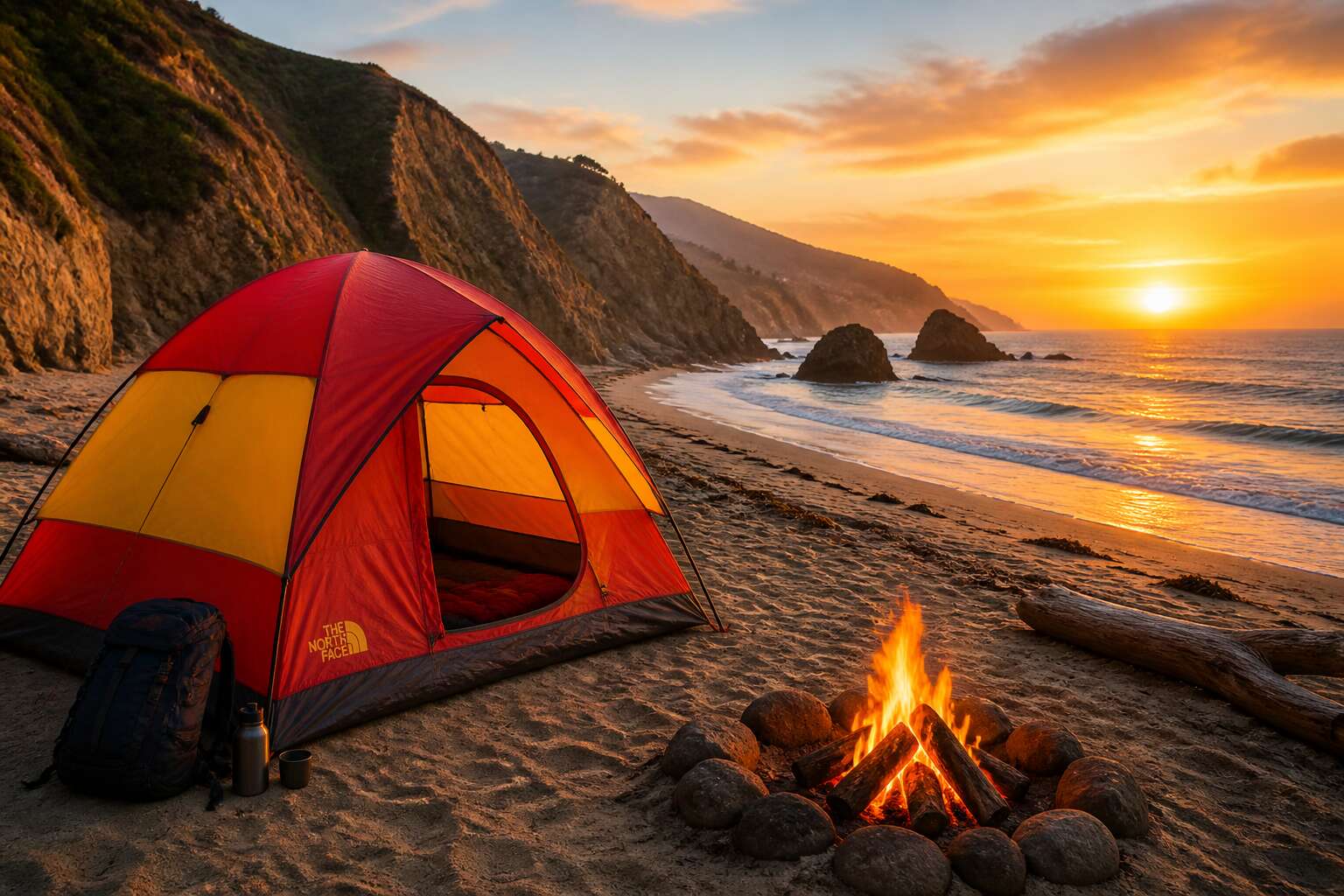
Choosing the Perfect Campsite in the Golden State
National Parks vs. State Parks: Pros and Cons
California’s wild spaces offer a distinct appeal for tent camping california, but choosing where to pitch your tent determines the entire character of your escape. National parks like Yosemite offer grandeur and ranger programs, yet they demand advance bookings and tolerate crowds. State parks, meanwhile, provide quieter groves and coastal access, often at half the cost.
Consider what matters most:
- National parks: dramatic scenery, strict rules, crowded summer weekends.
- State parks: intimate settings, flexible permits, closer to small towns.
I’ve found both options serve different dreams! National parks inspire awe; state parks invite reflection. The choice hinges on your tolerance for company and your desire for solitude.
Coastal, Mountain, or Desert: Matching Terrain to Your Style
The Sierra Nevada hosts nearly a thousand developed campgrounds, yet the quietest night I ever spent in tent camping california was on a wind scoured bench in the Mojave. The terrain dictates the rhythm of your day, not the other way around. Coastal pitches demand a tolerance for marine layers that roll in by dusk, soaking the canvas in a fine, cold mist. The mountains offer a dry, pine-scented altitude, but the temperature plummets the moment the sun drops behind the granite. Deserts present a stark heat by day and a sudden, profound chill at night, requiring a sleeping bag rated far lower than you might expect.
The physical texture of the ground itself changes your setup. Sand accepts a stake with ease but offers no resistance for your tent’s structural integrity in a gust. Rocky soil in the Sierra often requires a hammer and a clever eye for natural anchors. Each environment demands a specific response, and your choice should reflect your comfort with that negotiation.
– Coastal: anticipate fog, wind, and the need for a waterproof fly.
– Mountain: prepare for altitude, temperature swings, and bear canisters.
– Desert: prioritize water storage, sun protection, and ground cloths.
Matching your gear to the specific demands of these regions is the core of successful tent camping california. The coast provides a soothing soundscape, but the dampness creeps into everything. The mountains deliver pristine air and solitude, yet they punish the unprepared with cold. The desert rewards the minimalist with an unobstructed view of the galaxy, but it tests your hydration discipline. I find the choice is less about aesthetics and more about your personal baseline for physical discomfort, which, when aligned with the environment, transforms a simple overnight into a meaningful test of self reliance.
Permits and Reservations: Securing Your Spot
Prime tent camping california spots often command reservations the moment the booking window opens. I once watched the entire calendar for a coveted Yosemite campground fill within nine minutes. The lesson is plain: treat your permit and reservation strategy with the same seriousness as your gear list.
Different agencies govern different parcels of public land. Recreation.gov handles most federal sites, while state parks use their own reservation portals. Some locations, like the iconic backpacker camps along the Lost Coast, require a permit separate from the site booking itself. Understand the distinction before you commit.
Before you pay, verify:
- Cancellation policies and refund windows
- Maximum stay durations and quiet hours
- Whether the site accommodates your tent footprint
- Water availability and pit toilet locations
Without a confirmed reservation, tent camping california becomes a gamble with your safety.
Accessibility and Amenities: What to Look For
Drive into any campground and you will spot the telltale sign of a poor choice: a family wrestling with a tent on a slope angled like a ski jump. That is why accessibility matters more than the view. For tent camping california, level ground is the unsung hero. Look for a pad that does not channel rainwater into your sleeping bag.
Amenities deserve equal suspicion. The promise of flush toilets often means a queue of day trippers. A pit toilet can be your best neighbor, scaring away crowds. Compare these elements before you commit.
- Distance to water spigot versus distance to bear locker
- Shade duration at three in the afternoon
- The actual width of the gravel pad
Your back will thank you, or curse you, based on these details. The best tent camping california sites are the ones you leave without a chiropractor appointment.
Seasonal Considerations: When to Book Which Region
October turns Sierra aspen groves to gold, but securing a site for that spectacle means booking by January. Coastal campgrounds stay temperate all year, yet summer fog pushes many tent camping california enthusiasts inland, where the eastern Sierra warms by midday. Desert floors, unbearable in July, become comfortable in November when daytime highs hover near seventy.
If you want a site without fighting the lottery system, focus on these seasonal shifts:
- January through March: desert wildflowers emerge, but higher elevations stay cold at night
- May through June: rivers swell with snowmelt and mountain lakes fill
- September through October: stable weather and fewer school groups
Align your tent camping california trips with school holidays and snowmelt, not the calendar alone. A July booking in Death Valley is a mistake, while the same date at Big Sur may demand an umbrella and a fleece. I have made both errors, and my gear suffered accordingly.
Essential Gear for a Comfortable Outdoor Stay
Shelter and Sleeping: Tents, Pads, and Bags
A quiet evening in the Sierras can drop twenty degrees within an hour, so your sleep system deserves more thought than your campsite view. For tent camping california, prioritize a shelter that breathes: coastal fog condenses on rigid walls, while desert heat turns unventilated nylon into a sweatbox. A freestanding dome with dual vents works well across both extremes.
Ground insulation carries hidden weight. Cold seeps through thin pads with surprising speed, so look for an R value of 3 or higher, especially for granite slab sites. Pair this with a mummy bag that cinches close; I prefer one rated fifteen degrees below the forecast.
- Freestanding tent with full rainfly
- Closed cell foam pad under inflatable
- Down or synthetic fill bag with draft collar
These elements transform merely surviving into genuinely resting. The right combination turns tent camping california into a nightly renewal, not a battle against the elements.
Cooking and Food Storage: Bear-Proofing Basics
Few experiences recalibrate the senses like the scent of pine and woodsmoke mingling in a Sierra evening. But that same olfactory poetry is a dinner bell for the local wildlife. A single forgotten granola bar has ended more trips than any faulty zipper, and in the bear country of Yosemite or Sequoia, the lesson is swift and unforgiving. The minute you finish a meal, the clock starts ticking on your food hygiene. This is not merely about convenience; it is the central covenant of responsible tent camping california. You are a temporary guest in a pantry that belongs to someone else.
The first rule of the backcountry kitchen is separation. Your cooking area should be downwind and at least sixty meters from where you sleep. This creates a scent corridor that wildlife will follow, but one that leads them away from your sanctuary. The second rule involves immediate action. Wash dishes, strain food waste, and pack everything away before you consider your own coffee. Leaving a pot to soak as the stars emerge is an invitation that no bear will refuse.
Bear-proofing is a discipline with a specific protocol. Your edible and scented items, including toothpaste and chapstick, require a certified bear canister. Hanging a bag, once a common trick, is now ineffective in many parks as bears have learned to defeat it. The process is straightforward:
1. Cook and eat a safe distance from your tent.
2. Seal all food and toiletries in the canister immediately after use.
3. Store the canister far from your sleeping area, often under a bush or boulder.
For those planning tent camping california trips in campgrounds with steel lockers, use them. These storage boxes work perfectly, but they only function if you actually place your gear inside. The hidden variable is the car cooler, which is an oxymoron. A cooler left in a vehicle is a raccoon’s jackpot, and a bear can peel a car door like a sardine tin. A common trick for cooler insulation in bear country involves freezing water jugs, which keeps contents cold for days without draining your ice supply. The effort transforms a potential disaster into a seamless routine, allowing the quiet of the night to be filled with the sounds of the forest, not the clatter of a ransacked campsite.
Clothing and Layering: From Morning Fog to Evening Chill
The temperature swing in a California campsite can stretch twenty degrees between dawn and dusk. I watched campers shiver through a coastal morning in cotton hoodies, then drag damp layers all day. The fog burns off, but wet fabric remains a stubborn problem. Your clothing system for tent camping california should follow a simple principle: each piece must function alone or in combination.
A merino base layer manages moisture. A softshell traps warmth. A windproof outer layer handles the Pacific breeze. The details matter when tent camping california carries you from fog to mountain chill in one day. But the list is short:
- Wool or synthetic base layers, never cotton
- A packable insulating jacket for the evening
- A wind shell for coastal hours
- A beanie and gloves for the final hour before sleep
The evening chill arrives quickly, and the campfire only warms one side of you.
Safety and Navigation: Maps, First Aid, and Emergency Plans
The campfire warms one side of you, but it cannot guide you back to camp. Navigation in tent camping california begins with a paper map and a compass. Batteries die. Service vanishes. A marked trail can look different at dusk than it did at noon, and the fog swallows landmarks without warning.
Your first aid kit should cover blisters, splinters, and dehydration. Those are the real emergencies on most trips, not dramatic rescues. Write your plan before you leave. Tell someone your route and your expected return time. Check in at a ranger station when one exists.
- Carry a physical map of the immediate area
- Pack a headlamp with spare batteries
- Know the nearest medical facility and its hours
Preparation simply means thinking ahead. Tent camping california rewards the camper who studies the terrain before stepping onto it, and that study costs nothing but a few quiet minutes.
Hygiene and Leave No Trace: Keeping It Clean
Comfort in tent camping california begins with a small hygiene kit. Biodegradable soap, a trowel, and toilet paper weigh almost nothing. Pack them on top so you never dig through your gear at midnight!
Leave No Trace demands that everything you carry in comes back out, toiletries and food scraps included. A mesh trash bag keeps smells low and makes the final walk to the bin simple.
- A wide-mouth bottle for washing dishes
- Biodegradable wipes for hands and face
- A clothesline for drying towels
Washing yourself in the backcountry takes planning. Solar showers work, but a bandana and a stream cover most mornings. Keep soap 60 metres from any water source, and your camp stays clean without leaving a mark.
Top Regional Destinations for Nature Enthusiasts
Northern California Gems: Redwoods and Rugged Coastlines
The redwoods of Northern California do not simply grow; they ascend like silent cathedrals, and camping near them changes your perception of time. I have stood beneath these ancients while the Pacific fog rolled in, and the quiet felt overwhelming. For tent camping california enthusiasts, this region offers a rare combination of towering forests and rugged shoreline.
Consider the coastal prairies where elk graze beside you in the mist. The tide pools teem with purple sea stars and anemones, waiting just beyond your campsite. A short walk takes you from your tent to a cliff edge where waves crash against stone arches. The ocean weather shifts quickly, so pack windproof stakes for your shelter.
- Prairie Creek Redwoods State Park
- Gold Bluffs Beach Campground
- Trinidad State Beach
These spots reward patience. The experience remains unmatched for those who seek solitude in wild places, and the raw beauty of this coast makes every tent camping california trip memorable!
Central Coast Hideaways: Cliffs, Meadows, and Ocean Views
The Central Coast keeps its secrets well. Cliffs drop into the Pacific without warning, and meadows bend under a wind that never fully rests. For tent camping california, this stretch offers a quiet that feels earned, not given. Fog often lingers until midday, turning the ocean into a grey void, while the grassy headlands above remain dry and safe.
Some hideaways worth seeking:
- Jalama Beach County Park, where the cliffs fold into a crescent of dark sand.
- Kirk Creek Campground, perched directly above the highway and the surf below.
- Hearst San Simeon State Campground, tucked inland among low, wind-shaped oaks.
I have sat at these sites and watched the evening light fail, the horizon dissolving into nothing. The ocean here does not invite; it merely exists beside you. That is enough.
Sierra Nevada Escapes: High-Altitude Beauty and Alpine Lakes
The Sierra Nevada does not welcome you. It tolerates you. Elevation strips away pretense, and the air thins until every breath is a negotiation. For tent camping california, this range offers a different kind of solitude, one measured in granite and cold water.
Alpine lakes sit in basins carved by ice that retreated long ago. Their surfaces hold the sky in a stillness that feels deliberate. You pitch your tent on gravel that remembers the weight of glaciers.
Some destinations reward the climb:
- Lake Sabrina, where the water turns the colour of old pewter at dusk
- Twin Lakes, hidden in a canyon that swallows sound
- June Lake, ringed by reeds that whisper in the wind
The nights arrive early and stay late. Stars press down with an insistence you feel in your chest. This is tent camping california at its most austere, and that austerity is the point.
Southern California Spots: Deserts and Island Vibes
Southern California splits its identity between the Mojave’s stark terrain and the Pacific coastline. For tent camping california, this region rewards those who embrace contrast. Anza-Borrego Desert State Park blooms with ocotillo after winter rains, while the Channel Islands hold sea caves and fox dens in equal measure.
Consider these desert and island anchor points:
- Joshua Tree National Park, where boulder piles form natural windbreaks
- Channel Islands National Park, accessible only by boat, with campsites above kelp forests
- Anza-Borrego, where dark skies reveal a dense Milky Way
I have camped both. The desert asks for extra water and a high clearance vehicle. The islands require a boat ride and a tolerance for seabird noise. Both offer a version of camping that feels less like a getaway and more like a negotiation with place. You trade conveniences for emptiness, and the emptiness gives back.
Desert Oases: Joshua Tree and Anza-Borrego
Desert camping asks for a different kind of attention. At Joshua Tree, the boulders hold heat long after sundown, so a tent pitched near them stays warmer through the night. Anza-Borrego, lower and drier, swings harder between day and night temperatures. Both parks reward tent camping california enthusiasts who respect the ground beneath them!
A few things make these oases work:
- Arrive before noon to claim shaded sites
- Store water in multiple containers, not one large jug
- Stake your tent through gravel with heavy rocks
I have learned to trust the empty hours before dawn in these parks. The desert gives nothing freely. You carry what you need, and the quiet allows a deeper sleep.
Hidden Gems: Off-the-Beaten-Path Campsites
Seventy percent of California’s campsites cluster near roads. The hidden ones demand a walk. In the Yolla Bolly Middle Eel Wilderness, the trails are old game paths, and the meadows flatten out for a single tent. This is tent camping california at its most raw.
A few habits make these sites bearable:
- Stock a fuel bottle; wood is scarce up here.
- String a line for food, even if regulations skip it.
The stars come out without warnings. I have never slept better than on that cold ground!
Navigating California’s Camping Regulations and Etiquette
Fire Safety Rules: Campfire Permits and Bans
California’s wildfire season is unforgiving. A single spark from an illegal campfire can turn a weekend getaway into a disaster. For tent camping california, understanding fire regulations is non-negotiable. Before you strike a match, you need a campfire permit for most public lands. These free permits, available online, require you to pass a short quiz on safe practices.
Fire bans are common during dry months. Even with a permit, local conditions override everything. Check the ranger station on arrival; many campsites post daily updates. Ignoring a ban carries heavy fines and real consequences.
Remember these essentials:
– Use established fire rings only.
– Keep water and a shovel nearby.
– Never leave a fire unattended.
– Douse fires completely until cold.
The ground may look harmless, but roots smolder for hours. Your vigilance protects the landscapes you came to enjoy.
Wildlife Encounters: Bears, Mountain Lions, and Coyotes
Roughly half of all black bear encounters in California occur in campgrounds, a statistic that should sharpen your senses rather than scare you off. For tent camping california, wildlife is part of the package, and respectful coexistence is the goal. Bears are opportunistic foragers, not predators stalking your tent. Their interest lies in your cooler, your toothpaste, and that granola bar wrapper in your pocket.
When you spot a bear, do not run. Running triggers a chase response. Instead, stand your ground, make yourself look larger, and speak in a firm, low voice. Back away slowly, keeping your eyes on the animal. Mountain lions are more elusive, and sightings are rare. If you encounter one, maintain eye contact, do not crouch, and do not turn your back. Coyotes, on the other hand, are often more curious than aggressive, but they will approach for food.
Your campsite hygiene is your first defense. A clean camp is a quiet camp.
- Store all food and scented items in a bear canister or hung properly.
- Cook and eat at least 100 feet from your sleeping area.
- Wash dishes immediately and dispose of wastewater far from your tent.
- Never keep snacks in your tent, not even for a midnight craving.
The rustle of leaves at dusk can raise your pulse, but remember that most wildlife wants nothing to do with you. Your calm behavior and diligent storage habits create a safe distance. Tent camping california offers a chance to observe these animals in their element. Respect that space, and you become a quiet witness, not an intruder. The wild is not a theme park; it demands your attention and your responsibility.
Quiet Hours and Campsite Rules: Respecting Neighbors
California campgrounds run on a shared rhythm, and quiet hours are the heartbeat. Most public campgrounds enforce a 10 p.m. to 6 a.m. quiet period. During this window, generators must cut off, voices drop to whispers, and even your campfire crackle feels louder than intended. Tent camping california means sleeping under the same stars as dozens of strangers, so the unwritten contract is simple: make no sound you would not tolerate from your neighbor.
Enforcement varies by agency. State parks issue citations, while forest service sites rely on camp hosts to mediate. A few practical rules keep everyone civil:
- Keep music and voices at conversation level, never amplified.
- Reserve power tools, chainsaws, or loud pumps for daylight hours.
- Walk through adjacent sites only when necessary and avoid cutting across occupied campsites.
Respecting these boundaries transforms a crowded campground into a peaceful retreat. For those new to tent camping california, reading the posted rules at the entrance station is not optional, it is the first act of neighborly conduct.
Backcountry Permits: When and How to Get Them
Backcountry permits in California require planning and a modest fee. For tent camping california beyond the car camping loop, you likely need one. The rule of thumb: if your tent pitch demands a hike longer than your patience, secure a permit first.
Some areas, like Desolation Wilderness, cap daily entries. Others, like the Lost Coast, require bear canister certification. Logistics vary by agency, so check the relevant forest service or national park website before driving three hours to a ranger station closed on Tuesdays.
A few things to remember:
- Permits often open six months in advance at 7 a.m. Pacific. Set an alarm.
- Walk-up permits exist, but they are a gamble.
- Print your permit. Phone batteries die in the backcountry.
The bureaucracy is tedious, but the reward is quiet. A backcountry permit for tent camping california means fewer neighbors and more stars.

0 Comments